

What Is a Carnyx & Why Are They So Rare?
We love a bit of breaking archaeological news here at the farm, so we were delighted to see the headlines this week about a rare Iron Age hoard being unearthed in Thetford, Norfolk. At its heart was the first-ever boar's head flag standard to be found in Britain, and the most complete battle trumpet ever found in Europe - also known as a carnyx. If you joined us for our annual Beltain festival in 2025, you may have spotted a few carnyces floating above the heads of the crowds. But what exactly are they, and why are they such a rare find?
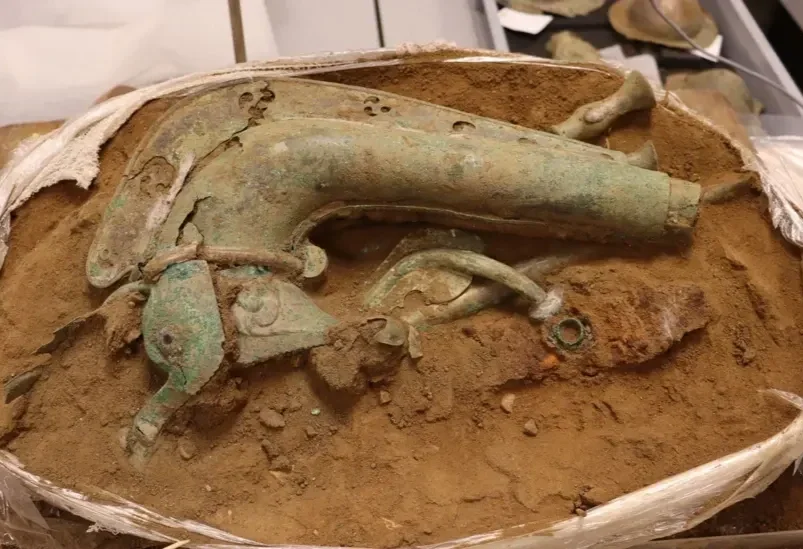
The Norfolk carnyx head revealed (PA Media)
Carnyces were war trumpets used by Celtic tribes across Europe to intimidate their enemies, and to inspire and direct warriors during battle. These tribes included the famous Iceni of East Anglia, which was led by queen Boudicca in her failed uprising against the Romans in AD 60-1. The trumpets were usually animal-shaped, and they fascinated the Romans who encountered them, frequently depicting them as war trophies.
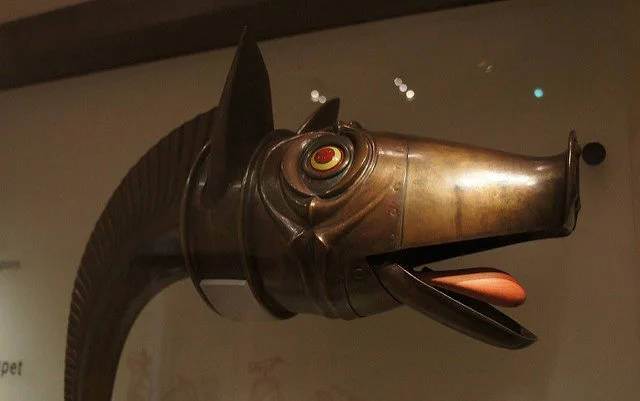
The Leichestown Deskford carnyx, found in a peat bog in 1816
As to the sound of the carnyx, there is nothing quite like it - as researchers have discovered when reconstructing them from archaeological fragments. According to musician and composer John Kenny: ‘It has a range of five octaves, wider than most modern orchestral instruments. At its loudest it can over-volume the trombone, but is equally comfortable working at the same breathy pianissimo as the alto flute.’
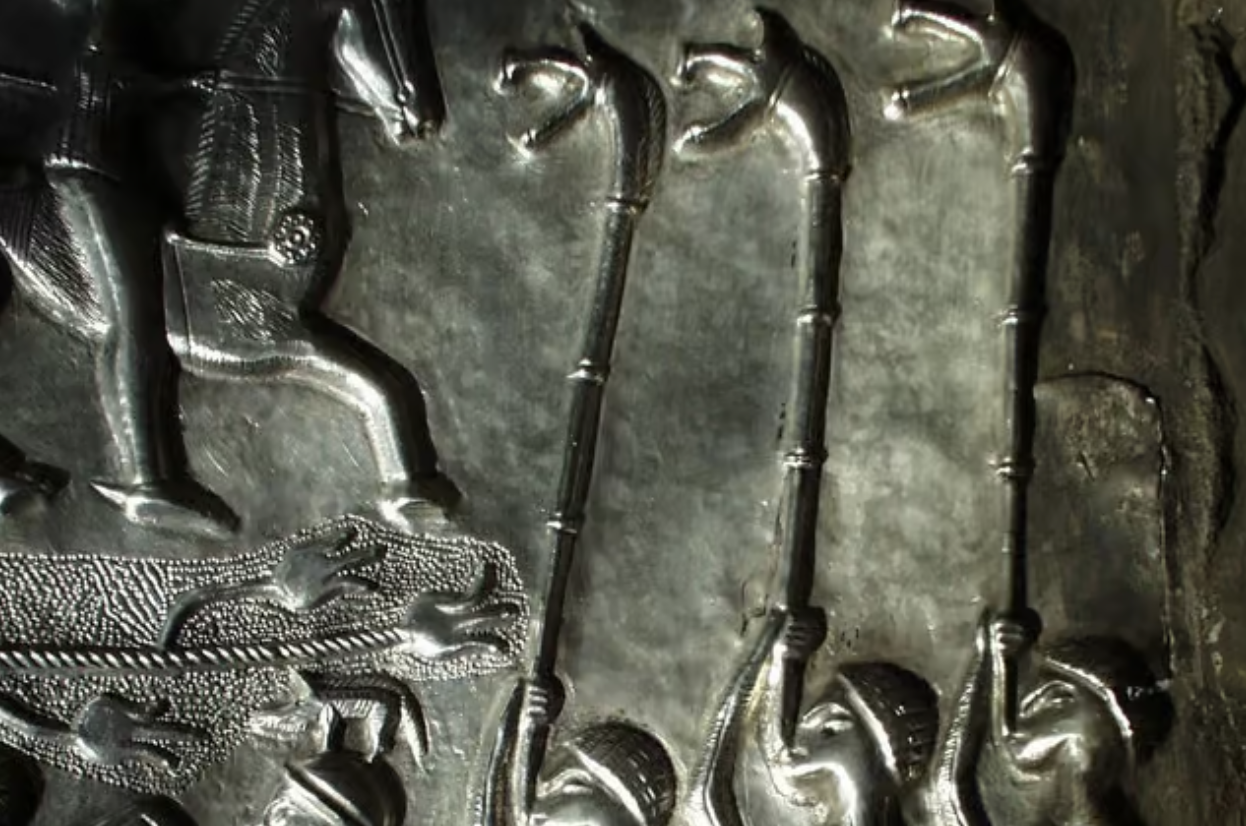
Three carnyx players depicted on the Gundestrup Cauldron (National Museum of Denmark, Copenhagen)
This particular discovery was found during a routine excavation as part of the standard planning process for residential properties. Amazingly, it is one of only three known carnyx in Britain, and one of the most complete to be found in Europe, according to Historic England.
So why are they so difficult to find?
Conservator Jonathan Carr has said that the Thetford find was made ‘from extremely thin sheets of metal which have become extremely brittle after 2,000 years in the ground.’ The materials chosen were valuable and delicate, and often disposed of ritually after use, which is likely why they are so rare. As well as being one of only three carnyces found in Britain, the Norfolk carnyx is also considered to be ‘the most complete carnyx ever found, with the pipe, mouthpiece and bell all uniquely intact'.
The only other two carnyces found in Britain are the Leichestown Deskford carnyx, discovered in a peat bog in Scotland in 1816, and one dredged from the river Witham at Tattershall Ferry in 1768. Unfortunately, the latter is represented today only by drawing and engravings, as it was melted down for scientific analysis shortly after its discovery. (Oh, how archaeology has changed!)
The discovery of such a complete artefact in the Norfolk carnyx will help researchers learn even more about sound and music in the Iron Age, although according to Historic England, the items are in a very fragile condition and require extensive stabilisation work before detailed research can begin. We can’t wait to see what they find!
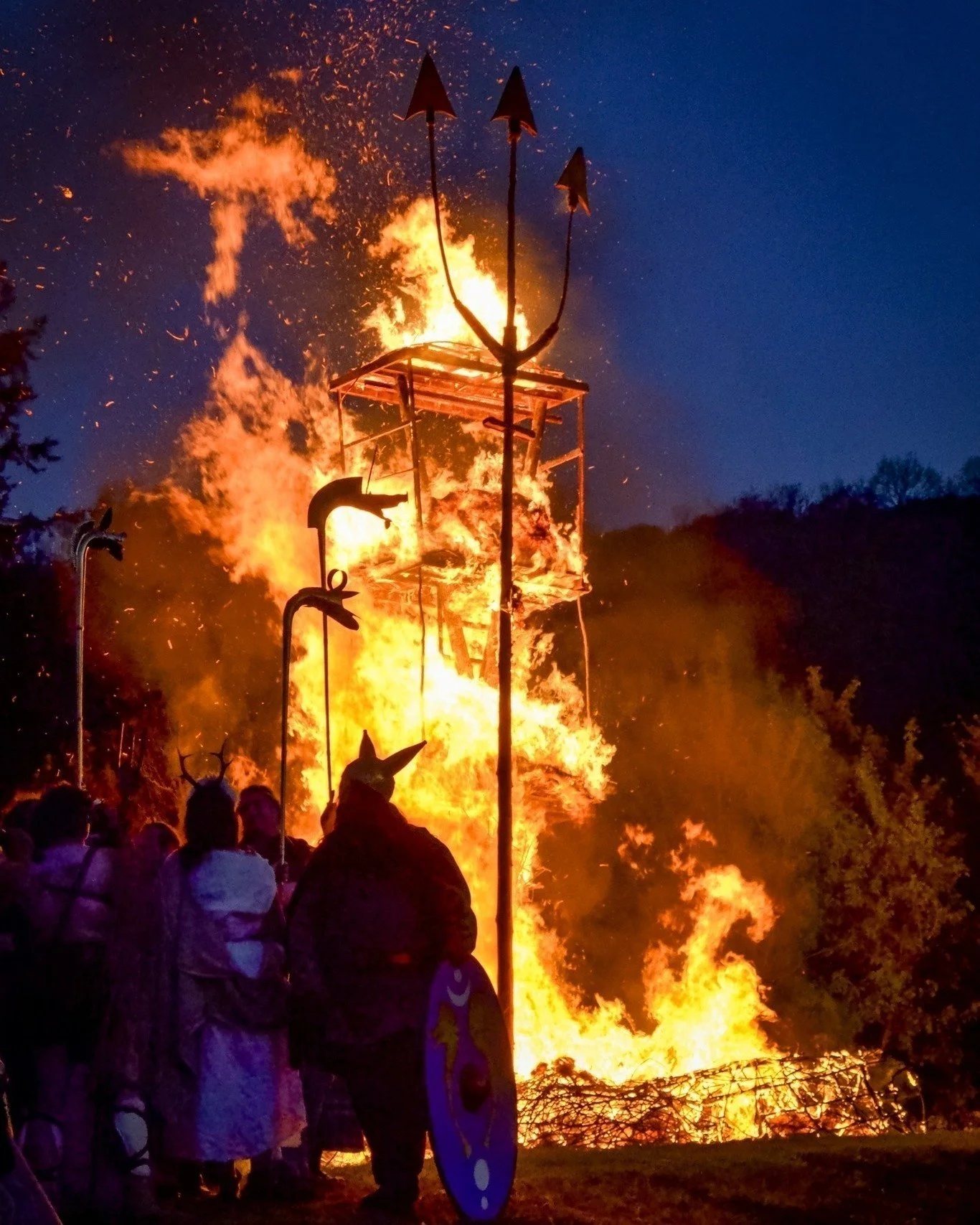
Carnyces on display at our Beltain Festival in 2025
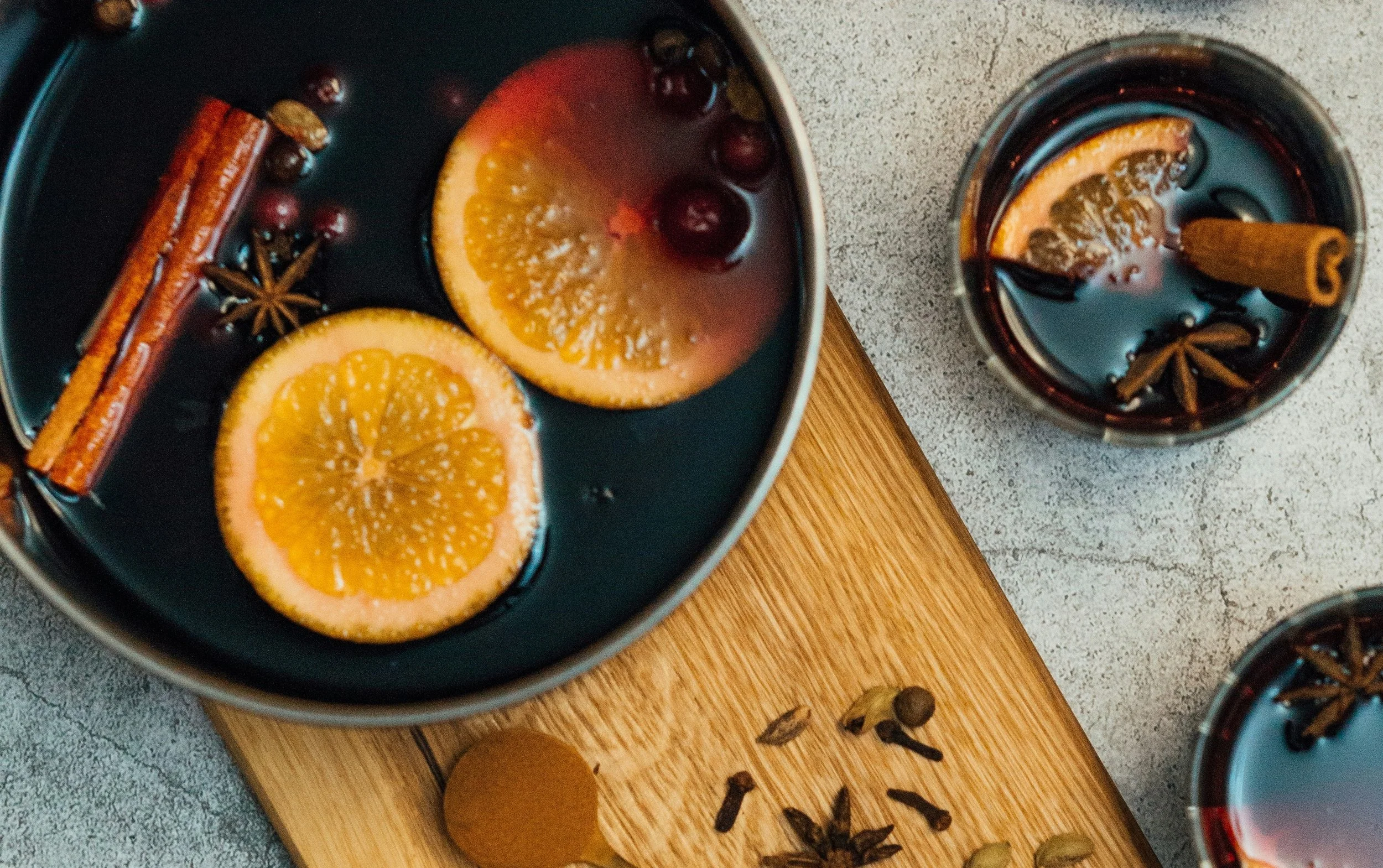
How to Make Warm, Spiced Wassail
Have you ever communed with a tree spirit on Twelfth Night?
Before the industrialisation of the 18-19th centuries, the festive season looked very different. Today, Christmas generally begins in early December and ends on New Year’s Day, but in the past it ended with feasting and revels on the 5th January - also known as Twelfth Night.
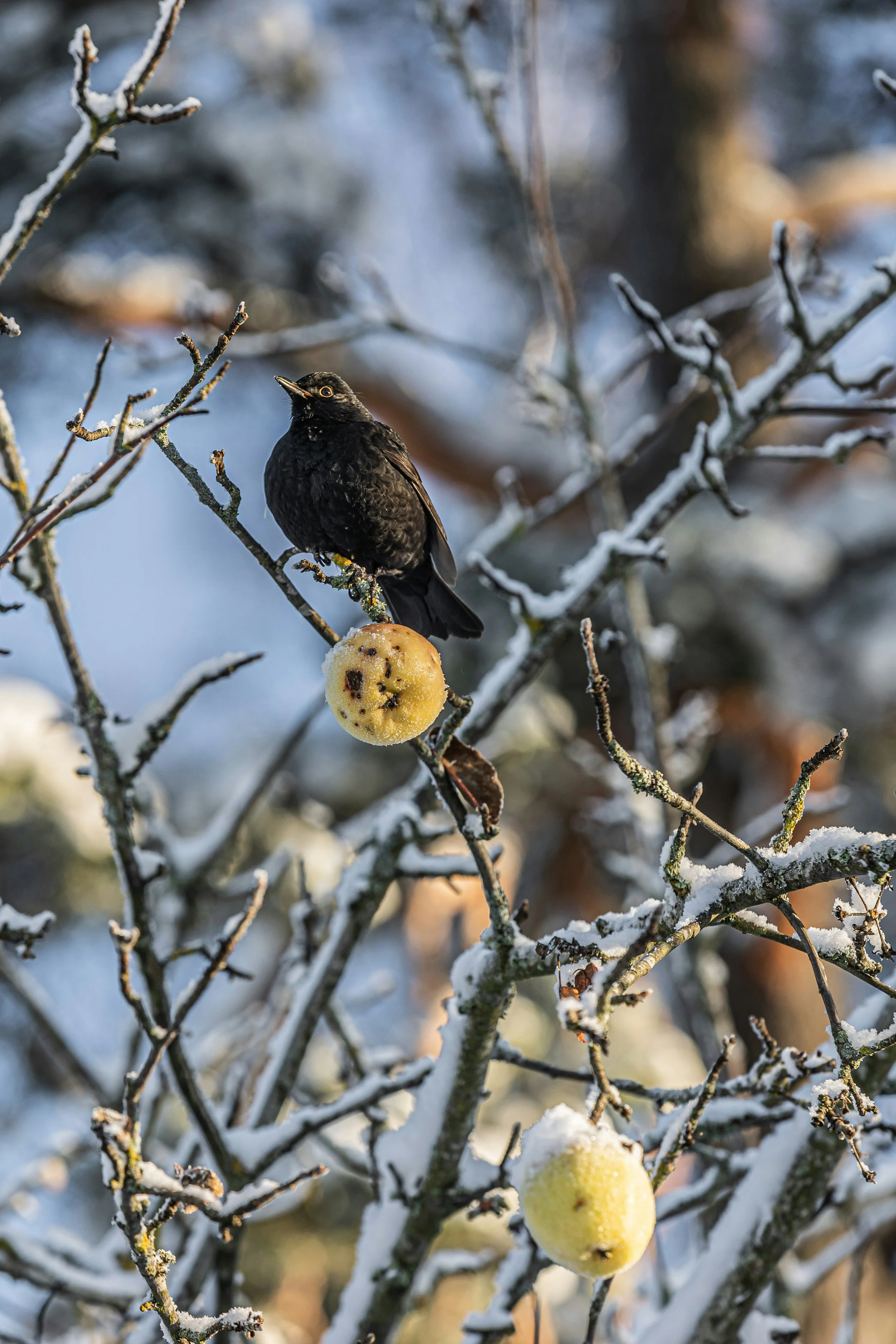
A centuries-old ritual with pagan roots, wassailing is traditionally linked with Twelfth Night, a date when social roles were turned upside down amidst decadent parties, feasts and merriment. The purpose of wassail was to encourage the spirits of the trees to bless the community with a good harvest the following season. It took place on the twelfth night after Christmas and usually involved a communal visit to the local orchard for singing, dancing and drinking from the wassail bowl, which was filled with warm spiced cider, perry or ale.
Wassailing was - and still is - an important part of the festive tradition in areas where apple and pear orchards grow. Revellers typically visited nearby orchards and fruit trees, singing songs and making a hullabaloo by banging pots and pans.
A wassail King and Queen sometimes led the procession from one orchard to the next, placing cider-soaked toast in the tree branches and pouring cider over the roots. The orchard’s owner, grateful for their attempts to ward off bad spirits and manifest a good harvest, would reward them with some form of warm, spiced alcoholic drink from a communal bowl or cup, sometimes with an apple topping known as ‘lamb’s wool’.
Other forms of wassailing included visiting local houses, door to door, drinking toasts and wishing good health on the neighbours. The word wassail is thought to be derived from the Old English was hál, meaning ‘be in good health!’
There are two stories from English folklore connected with the wassail tradition, both concerning the Apple Tree Man - a figure named after the spirit of the oldest apple tree in the orchard. In the first, a poor man offers his last cup of mulled cider to the trees in his orchard on Christmas Eve, and is rewarded by the Apple Tree Man who reveals to him a stash of buried gold.
The second story tells of a farm cat who set out one day to explore the nearby fields that were said to be haunted by ghosts and witches. She got as far as the orchard before the Apple Tree Man cautioned her to go no further, because local villagers were coming to pour cider for his roots and make noises to drive away evil spirits. He persuaded her not to go exploring until St Tibb’s Eve, and she never did - because neither she nor anyone else knew when that was!
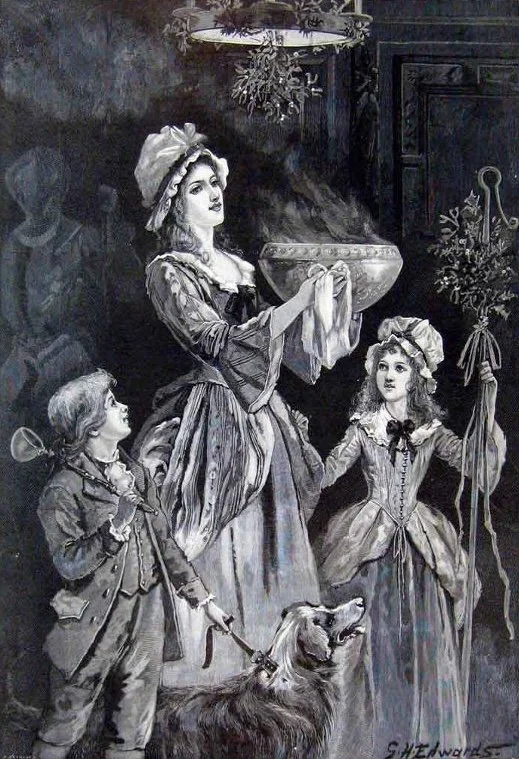
Newspaper illustration of a family with their wassail bowl, circa 1893
As part of the wassailing celebrations, a wassail bowl was passed from person to person, each taking a sip and wishing the next a healthy new year. The wassail bowl dates back at least six hundred years, and although some were elaborately decorated, most were ordinary maple bowls typical of a farmhouse kitchen, occasionally decorated with greenery and ribbons.
At the height of wassailing in the seventeenth century, many magnificent bowls were carved from Lignum vitea, a newly discovered timber from South America that became popular as Britain’s colonial powers grew. Lignum vitae is the hardest and heaviest of commercial timbers, which meant it was particularly suited for holding hot liquids.
As for the liquid itself, there were many recipes for the brew contained in the wassail bowl depending on local custom, but most were a variation of mulled wine, ale or cider mixed with apples, lemons, oranges, brandy, egg whites and spices. The perfect winter warmer for a long night of wassailing!
Variations of the wassailing song went something like this:
‘Here we come a-wassailing
Among the leaves so green;
Here we come a-wand'ring
So fair to be seen.
Our wassail cup is made
Of the rosemary tree,
And so is your beer
Of the best barley.
Love and joy come to you,
And to you your wassail too;
And God bless you and send you a Happy New Year
And God send you a Happy New Year.’
RECIPE: Mulled Apple Cider
This recipe is from Ebb and Flow: A Guide to Seasonal Living by Tiffany Francis-Baker (Bloomsbury, 2024)
There’s nothing like a hot mug of mulled cider on a cold winter’s night, rich with the flavours of sharp, crisp apples and aromatic spices. Try and use locally sourced, high quality cider if you can, or opt for scrumpy if you like your tipple a little stronger. Scrumpy was historically made from smaller, windfall-ripened apples and often left to ferment for longer, giving it a stronger, cloudier taste. Traditionally, a drink like mulled cider might have been served in a large bowl at the centre of a table, but you could also serve it at the end of a meal with baked apples for extra warmth, or take a mug outside after dark to enjoy with the winter stars. It can also be made with pear cider if you prefer a sweeter, fruitier flavour.
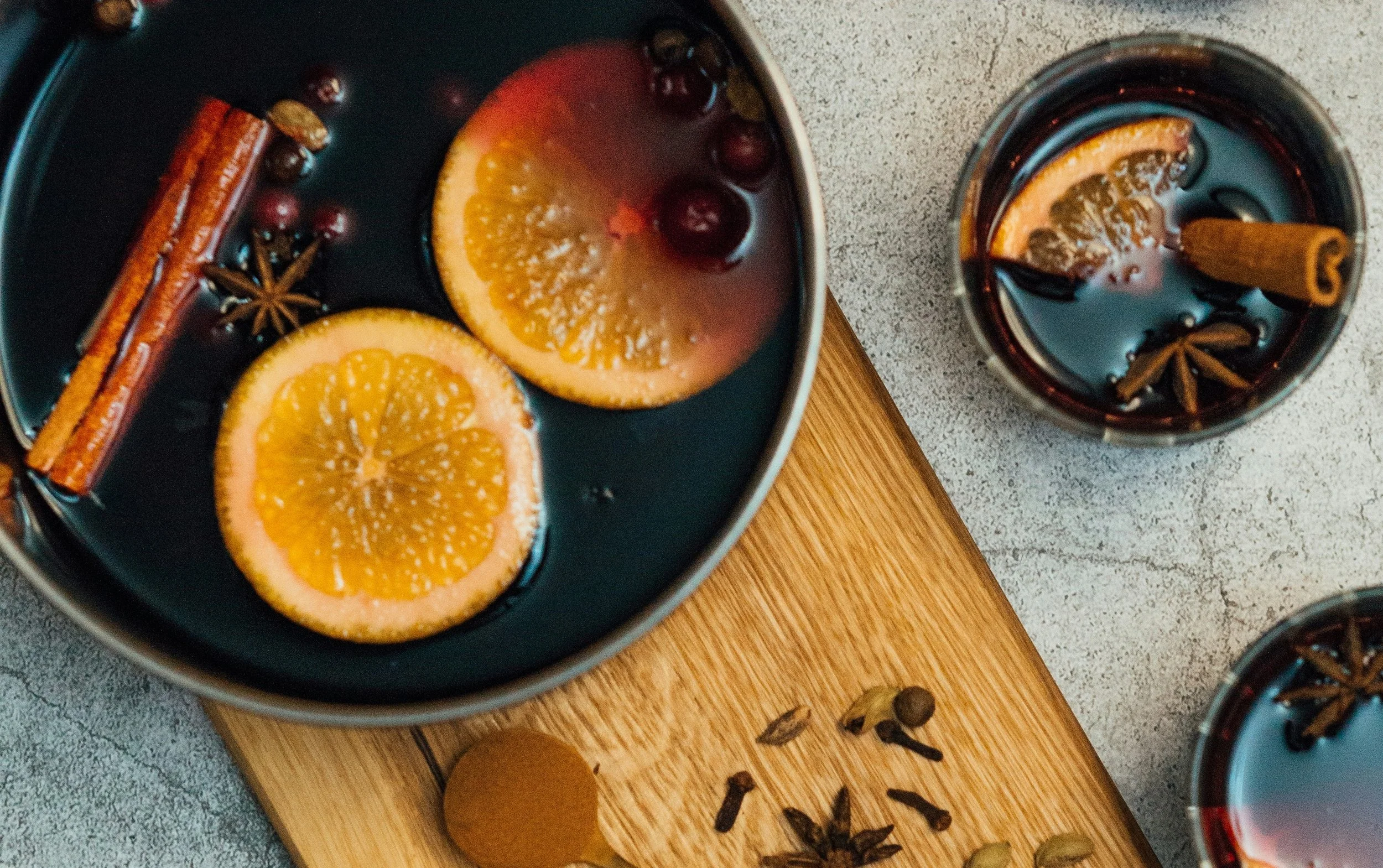
Serves 8
2 litres dry cider
75g dark brown sugar
6 cloves
4 star anise
2 cinnamon sticks, snapped in half
½ nutmeg, finely grated
1 vanilla pod, halved
Zest and juice of 1 orange
1. Pour the cider into a large saucepan and warm through on a low heat for a few minutes.
2. Add the sugar and stir gently to dissolve.
3. Add all the spices and orange juice to the cider and turn the heat up slightly until the mixture is boiling, then turn it back down to a simmer and leave for 10-15 minutes to infuse.
4. Ladle into mugs to serve, pouring through a fine mesh sieve if you want to remove the larger ingredients.
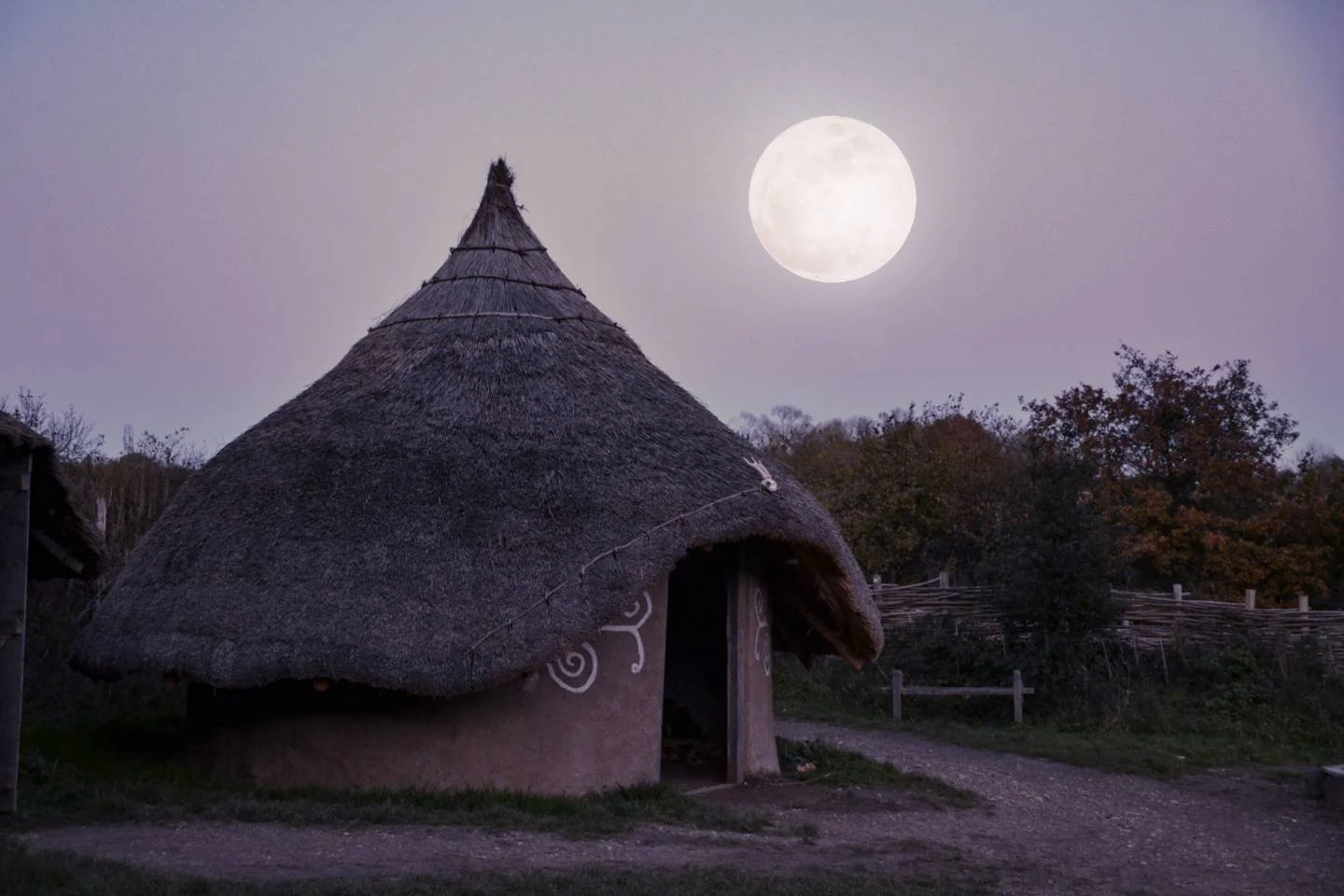
Full Moon Calendar 2026: Dates, Names & Insights
Ancient Mesopotamian farmers, Celtic druids, Roman philosophers, Aztec priests - and you. No matter where you are in the world - or even in history - we all see the same moon.
The full moon has been important to many cultures throughout history and around the world, and it’s still important to many today. Whether you’re tracking the full moon in 2026 for gardening, stargazing, wellness or something else entirely, our guide has you covered with everything you need to know - including insights into ancient moon gods, astrology and ways to celebrate the lunar cycle!

The Full Moon - Dates & Times in 2026
This is the complete lunar calendar 2026 for full moons - including dates, times (GMT/BST) and their traditional names:
January 3, 2026 - Wolf Moon (10:03 GMT)
February 1, 2026 - Snow Moon (22:09 GMT)
March 3, 2026 - Worm Moon (11:38 GMT)
April 2, 2026 - Pink Moon (03:12 BST)
May 1, 2026 - Flower Moon (18:23 BST)
May 31, 2026 - Blue Moon (09:45 BST)
June 30, 2026 - Strawberry Moon (00:57 BST)
July 29, 2026 - Buck Moon (15:36 BST)
August 28, 2026 - Sturgeon Moon (05:18 BST)
September 26, 2026 - Harvest Moon (17:49 BST)
October 26, 2026 - Hunter's Moon (04:12 GMT)
November 24, 2026 - Beaver Moon (14:53 GMT)
December 24, 2026 - Cold Moon (01:28 GMT)

Special Moons in 2026
Blue Moon
While the moon can sometimes appear blue due to atmospheric affects, when astronomists say ‘Blue Moon’, they usually mean the second full moon in a calendar month. This is called an astronomical Blue Moon and only happens every two to three years, so it really is ‘once in a blue moon’.
The next astronomical Blue Moon will happen on May 31, 2026.
Super Moons
Super Moons occur when the moon is at its closest point to Earth in its orbit, and they appear larger and brighter than regular full moons. In astronomical terms, this period when the moon is closest is called the perigee, and as well as making the moon appear larger than normal it also affects the tides. Although the perigee happens roughly every 28 days, it has to coincide with the moon being full for us to get a supermoon, so they are still pretty rare.
The next Super Full Moons will happen on:
January 3, 2026 - The Wolf Moon
November 24, 2026 - The Beaver Moon
December 24, 2026 - The Cold Moon
Super Moons can also occur in the opposite part of the lunar month, at New Moon. These are not usually visible from Earth, although the dark night skies still provide great opportunities for stargazing.
The next Super New Moon is on May 16, 2026.

Traditional Full Moon Names
Throughout history, people have named the moons to reflect the changing seasons. Many ancient cultures likely used one name for both the moon and the month, making these some of the earliest calendars. Unfortunately, a lot of the early names and origins, especially Celtic, are poorly sourced and vulnerable to misinformation, so always bear that in mind when looking at moon names.
Here are the common names for the moon in use today, as well as some different names used by others:
January - Wolf Moon
Named for the howling wolves of midwinter, this name reflects themes of survival and connection. The name was first recorded in North America but is often attributed to Europe, possibly with a Celtic or Anglo-Saxon origin.
Other names for this moon include Cold Moon (Cree), Hard Moon (Dakota), and Spirit Moon (Ojibwe), Quiet Moon (Celtic), and Moon After Yule (Anglo-Saxon).
February - Snow Moon
This name is attributed to both Native American and Anglo-Saxon traditions, and is often thought to symbolise resilience and endurance. Other names include Storm Moon (Celtic), Hungry Moon (Cherokee), Bear Moon (Ojibwe and Tlingit), Eagle Moon (Cree), and Bone Moon (Cherokee). Depending on the date of Easter, this moon may have been called Lenten Moon in Anglo-Saxon traditions.

March - Worm Moon
This moon symbolises renewal and fertility, and the name reflects the thawing of the ground and emergence of worms from the earth and tree bark. Anglo-Saxon names for this moon apparently range from Lenten Moon to Egg Moon, depending on the date of Easter, and the Celts may have called it Wind Moon or Plough Moon. Meanwhile, Native American names include Crow Comes Back Moon (Northern Ojibwe), Sore Eyes Moon (Dakota, Lakota, Assiniboine), and Wind Strong Moon (Pueblo).
April - Pink Moon
Named after a North American pink windflower that blooms around this time, this moon symbolises growth and heralds the beginning of spring. These themes are common among its other names, including Breaking Ice Moon (Algonquin), Moon When Ducks Come Back (Lakota), and Budding Moon of Plants and Shrubs (Tlingit), as well as the Celtic Seed Moon and Anglo-Saxon Egg Moon – or Milk Moon if Easter has already passed.

May - Flower Moon
Celebrating the blossoming of flowers in spring, this moon name represents growth and abundance, and is attributed to Algonquin, Ojibwe, and possibly even Anglo-Saxon or Celtic tradition. Other Native American names include Leaf Budding Moon (Cree) and Planting Moon (Dakota, Lakota), while some suggested Anglo-Saxon or Celtic names include Milk Moon, Bright Moon, Hare Moon, Grass Moon, or Mothers’ Moon.
June - Strawberry Moon
Although strawberries as we know them originate in Europe, this name comes from Native American traditions among the Algonquin, Ojibwe, Dakota, and Lakota peoples, and reflects the ripening of berries and abundance of early harvest. The month of the summer solstice, this may have been known to Celts as Mead Moon or Horse Moon, and in Anglo-Saxon tradition as Flower Moon or Hay Moon. Other Native American names include Berries Ripen Moon (Haida), Birth Moon (Tlingit), and Hatching Moon (Cree).

July - Buck Moon
The name of this moon is attributed to Native American tradition and refers to deer growing in their antlers at this time, symbolising strength and renewal. Other names include Herb Moon (Celtic), Hay Moon (Anglo-Saxon), Feather Moulting Moon (Cree), Salmon Moon (Tlingit), Raspberry Moon (Algonquin, Ojibwe), and Thunder Moon (Abenaki).
August - Sturgeon Moon
Named for the large migratory fish in North America’s Great Lakes and rivers, this moon represents prosperity. An Anglo-Saxon name for this moon may have been Grain Moon or Fruit Moon, and other Native American names include Flying Up Moon (Cree), Mountain Shadows Moon (Tlingit), and Ricing Moon (Ashinaabe).

September - Corn Moon or Harvest Moon
The moon in September can have one of two names, depending on how close it is to the autumn equinox. Traditionally the moon closest to the equinox is called the Harvest Moon, following Anglo-Saxon tradition; if that moon falls in October instead, the September moon becomes the Corn Moon. Associated with harvest and winter preparations, this moon is also called Falling leaves Moon (Ojibwe), Child Moon (Tlingit), Mating Moon (Cree), and Wine Moon (Celtic).
October - Hunter’s Moon or Harvest Moon
If the closest moon to the equinox doesn’t fall in October, then this moon is called the Hunter’s Moon – an Anglo-Saxon name. The Anglo-Saxons had another name for this moon, though: Blood Moon. But whether people were hunting animals or slaughtering livestock, this moon reflects the process of fattening up and preserving food for winter. Other names include Drying Rice Moon (Dakota), Freezing Moon (Ojibwe), and Migrating Moon (Cree).

November - Beaver Moon
Similar to the Hunter’s Moon, Beaver Moon’s name refers to the laying of traps before winter. Meanwhile, in Anglo-Saxon tradition this moon could be named Moon Before Yule, and other names include Dark Moon (Celtic), Frost Moon (Cree, Assiniboine), Deer Rutting Moon (Dakota, Lakota), Digging Moon (Tlingit), and Oak Moon (Celtic).
December - Cold Moon
Marking the arrival of winter, the name of this moon has been attributed to the Mohawk people, although some neopagans claim it as part of the Celtic tradition. Other names include Long Night Moon (Mohican), Little Spirit Moon (Anishinaabe), Frost Exploding Trees Moon (Cree), and Moon Before Yule (Old English).

The Full Moon in the Ancient World
We all know Stonehenge aligns with the sun, but ancient cultures were just as interested in the position and movement of the moon. Here’s just a few of the associations with the moon made by ancient communities:
Time
It’s natural that the moon has long been associated with time, and many calendars in both the ancient world and today follow the lunar cycles. Many moon deities are associated with time: the ibis-headed ancient Egyptian moon god Thoth was believed to be the creator of the 365-day year, Norse moon god Máni was described as ‘year-counter’, and Shinto moon god Tsukuyomi-no-Mikoto’s name means ‘moon/month counting’ in Old Japanese.
Knowledge & Wisdom
In many cultures throughout history, the moon as been linked to divine wisdom and learning. Ancient Egyptian moon god Thoth was credited with inventing hieroglyphs and inspiring all discoveries, Hindu moon god Chandra symbolises mental clarity and intuition, and Greek Artemis was associated with both intelligence and the moon.

Life & Death
The moon’s phases of waxing and waning mirror themes of birth, death and rebirth, and we can see this connection in some moon gods, too. Moon deities associated with death include Coyolxāuhqui, an Aztec goddess of the moon and sacrifice, as well as Mesopotamian moon god Sin and Egyptian Thoth, who were both involved in judging the dead.
On the other hand, many moon deities are associated with life: Thoth helped the slain god Osiris to be reborn; Khonsu, another Egyptian moon god, created new life in all living creatures; Hindu Chandra and Mesopotamian Sin are connected with plant growth and abundance; and many moon godesses are associated with fertility, from Mayan Ix Chel to Roman Luna.
Feminine Energy
One of the moon’s strongest associations throughout history is with the feminine. The Greek and Roman pantheons both saw moon goddess Selene/Luna as the counterpoint to the male sun god Helios/Sol, and in Chinese philosophy the feminine and intuitive Yin energy is associated with the moon, while the masculine and forceful Yang energy is associated with the sun.

Does the Full Moon Affect Humans?
The full moon has many effects on the world, strengthening tides, increasing the birth rate of cows, and possibly even making animals more aggressive, and it’s long been believed that it can affect human behaviour too, from sleepwalking to increased murder rates. It’s where we get our word ‘lunatic’ from, after all – but is there any truth to it?
Science says yes – the full moon actually affects our sleep, which can have consequences on our mood and mental health. According to a study from 2021, humans typically go to bed later, take longer to get to sleep, and get less deep sleep during the full moon — and a study in 2022 suggested that men are more affected than women. Then again, there’s been a lot of contradictory evidence about the full moon and sleep, so it’s still a matter of debate in the science world.

Astrological Insights for Full Moons in 2026
When people talk about their zodiac signs, they often mean their sun sign – but astrologists believe the moon moves through the zodiac constellations too. Where sun signs are thought to represent the conscious, active, front-facing parts of your personality, your moon sign is thought to represent your emotional, inner mind – similar to the Yin and Yang associations with the sun and moon.
The moon moves through each zodiac sign through the year, and astrologists believe that the moon’s energy is affected by the sign it’s in. Even if this isn’t something you believe, if you use the full moon as a tool for self-reflection, meditation and grounding, these monthly themes may be helpful in guiding your thoughts and practice.
Here are the signs and meanings of each full moon in 2026:
January - Cancer: Emotional depth, focus on home and nurturing relationships
February - Leo: Creativity, self-expression, and confidence
March - Virgo: Organisation, health, and attention to detail
April - Libra: Harmony, balance, and partnerships
First May Moon - Scorpio: Intensity, transformation, and emotional release
Second May Moon - Sagittarius: Adventure, optimism, and exploration
June - Capricorn: Structure, discipline, and long-term goals
July - Aquarius: Innovation, independence, and humanitarian causes
August - Pisces: Spirituality, intuition, and emotional healing
September - Aries: Boldness, action, and new beginnings
October - Taurus: Grounding, stability, and sensuality
November - Gemini: Communication, adaptability, and curiosity
December - Cancer: Emotional depth, focus on home and nurturing relationships

How to Use the Full Moon Energy in 2026
Whether you’re using the full moon for practical, personal or spiritual reasons, here are some ways you can mark the strongest point in the lunar cycle:
Practice mindfulness. We can all be better at checking in with ourselves every now and again, and the full moon is the perfect time for this. Try journaling, meditating or practicing self care, and use the full moon as a time to let go of negativity and set intentions for growth.
Create a lunar garden. Many farmers and gardeners plan planting and harvesting by lunar cycles, as it’s believed the phases of the moon can affect moisture levels in soil and promote root growth. Moisture levels are thought to be at their highest at the full moon, so it’s a great time to plant new seeds!
Try a moon bath. Connect with nature and the moon by spending time outdoors under the moonlight. Some people bathe outside or go wild swimming, but you can also use this as an opportunity to stargaze, meditate or simply enjoy a relaxing experience in the nighttime world without artificial light.
The full moon means many things to many people, and has been a time of significance and symbolism for thousands of years. From supermoons to seasonal rituals, mindfulness to gardening, these lunar phases can provide inspiration for everyone, whether you’re a casual observer or deeply connected to lunar cycles.
Mark your calendars with 2026’s full moons and prepare to bask in the moonlight as we journey through the year!

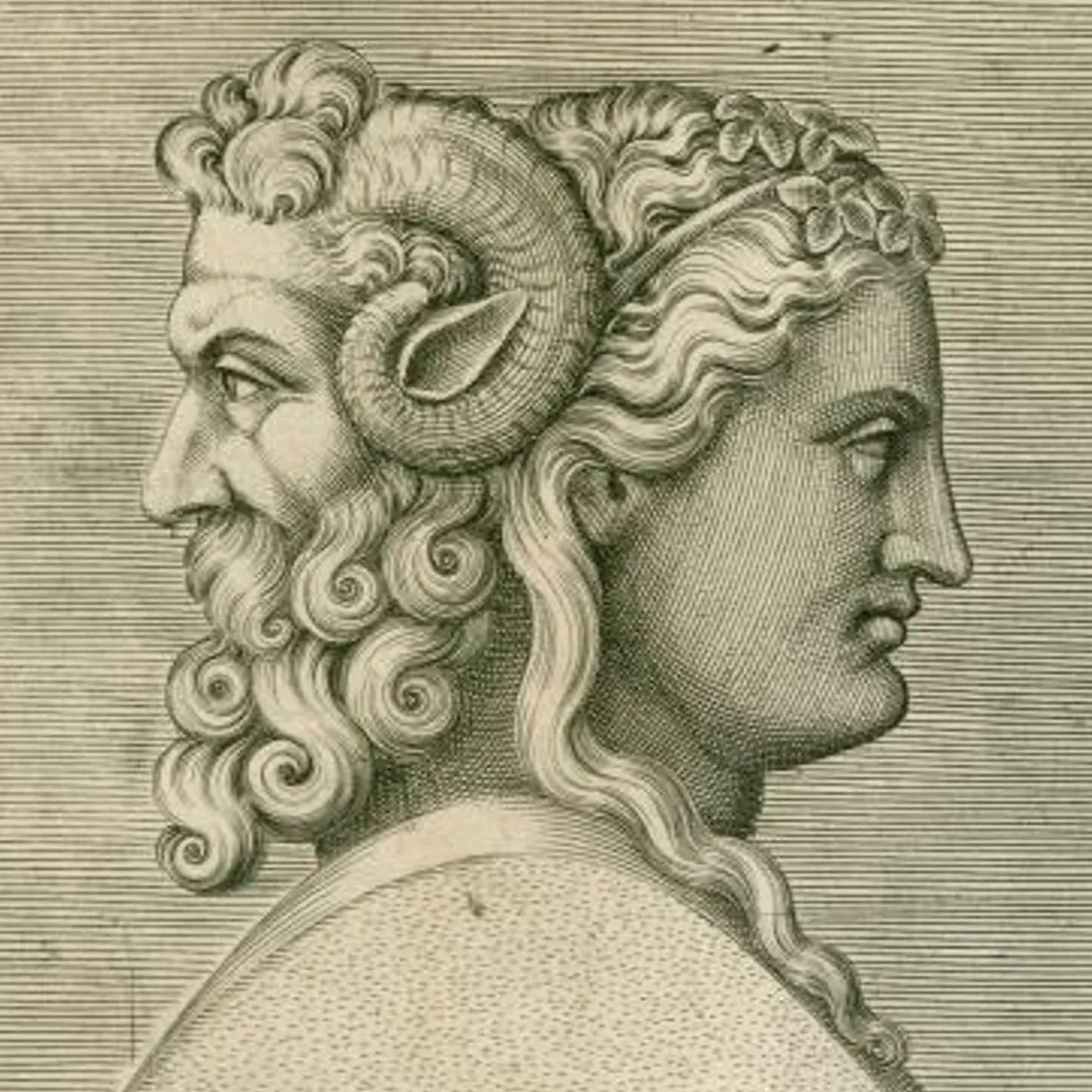
New Year Reflections with Janus
When we opened our visitor centre in 2012, we named it the Janus Centre after the Roman god of gateways. Janus is usually depicted with two faces - one facing back to the past, and the other facing forwards to the future - which is why he made the perfect namesake for our new building. It is a building born from Butser’s past, drawing on decades of success to create something that will continue to carry us forward into the future. Not only has the building provided 13 years of office and retail space, toilet facilities and a visitor experience space, it was also designed to be fully accessible to all visitors, as well showcasing a range of sustainable technologies like our biomass wood-burning boiler, solar panels, and a reed-bed filtration system for the wastewater.
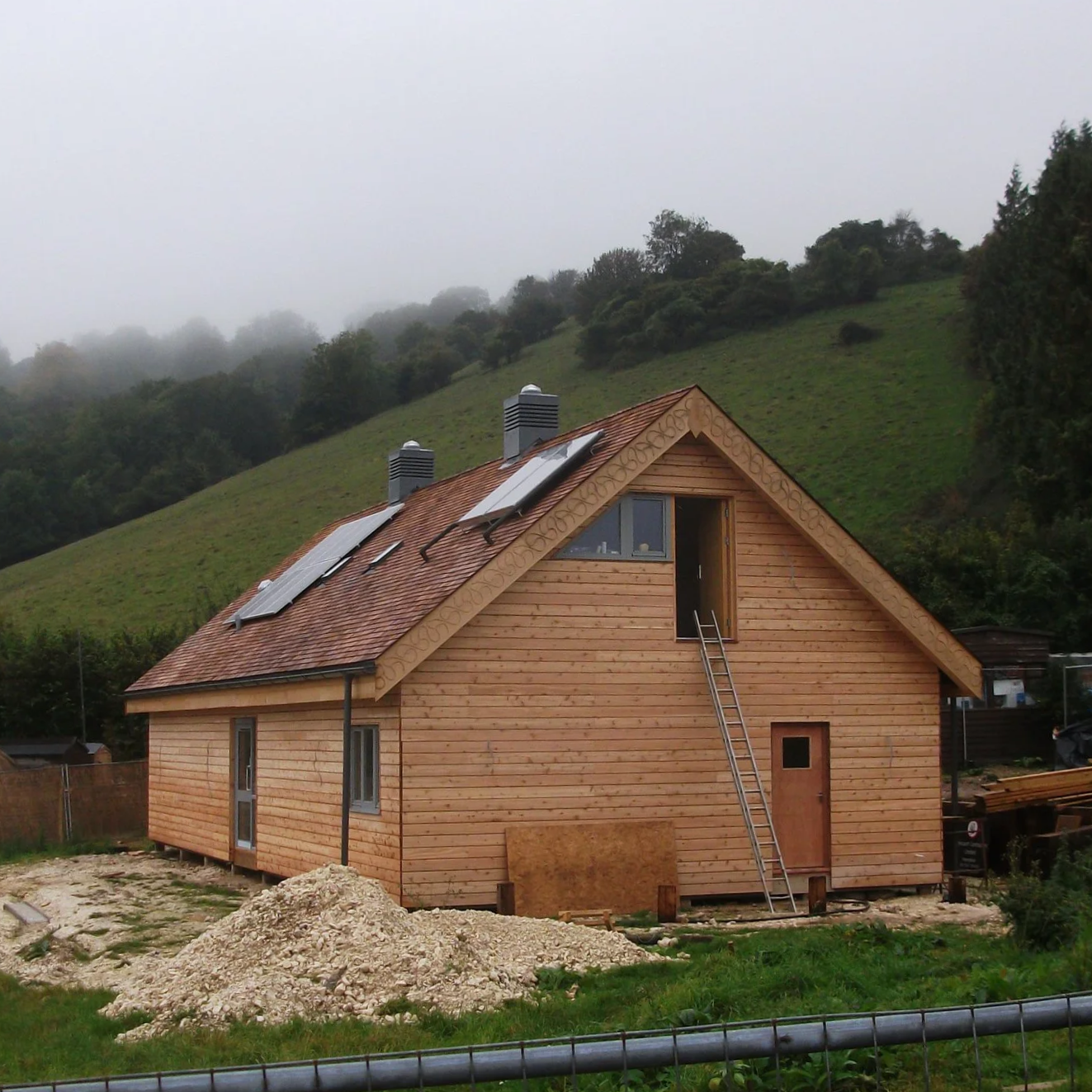
The Janus Centre in construction
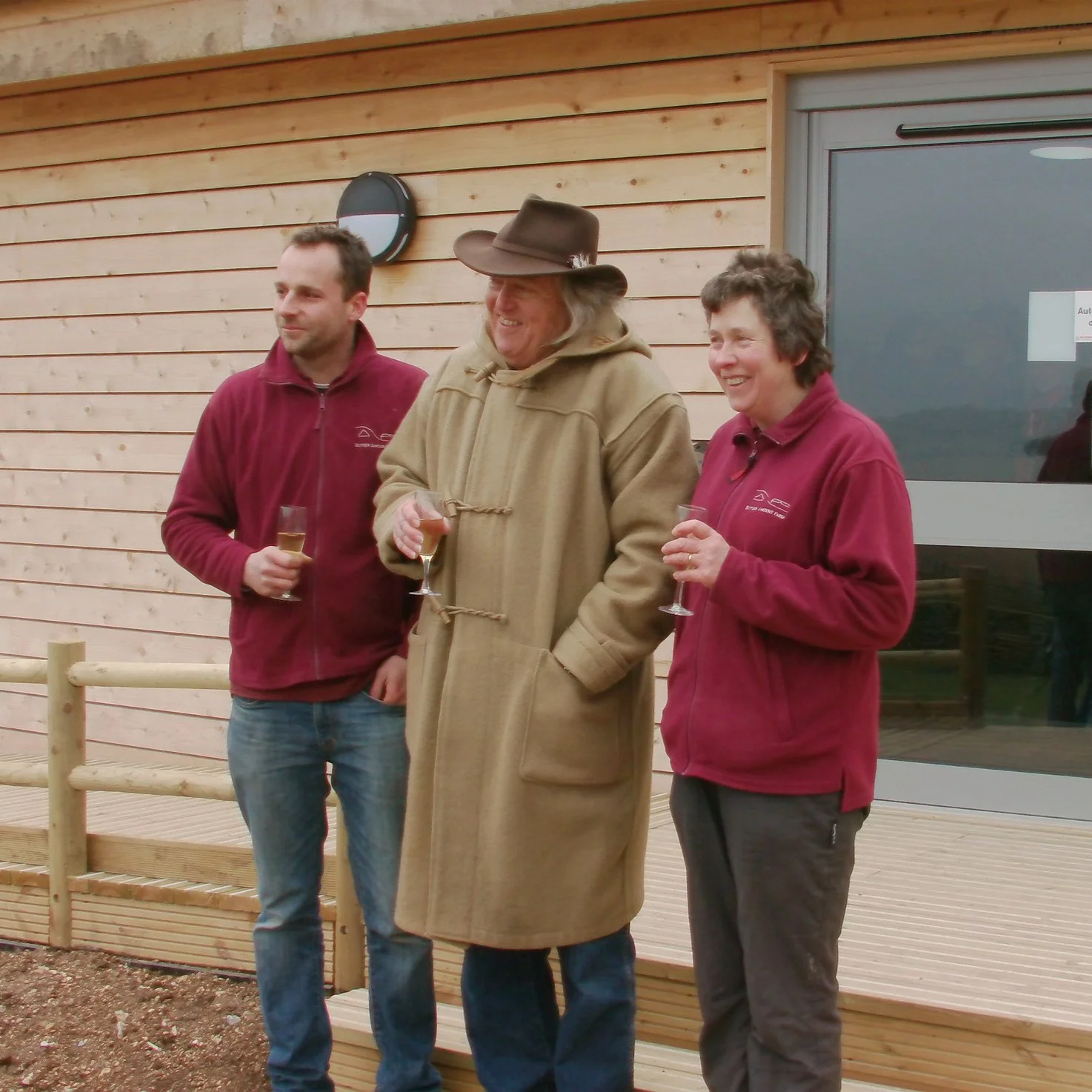
Directors Simon and Maureen opening the Janus Centre with Time Team’s Phil Harding
Sustainability continues to be at the heart of everything we do. We live in a world where we are constantly encouraged to grow, grow, grow! But we do not believe success always has to be bigger, faster or stronger. The most reliable form of success is usually the most sustainable one. Yes - like all heritage sites, we have staff and overheads to pay, and we are always keen for our community of visitors to grow. But everything we do is carefully balanced between necessary forward motion and gratitude for everything we already have.
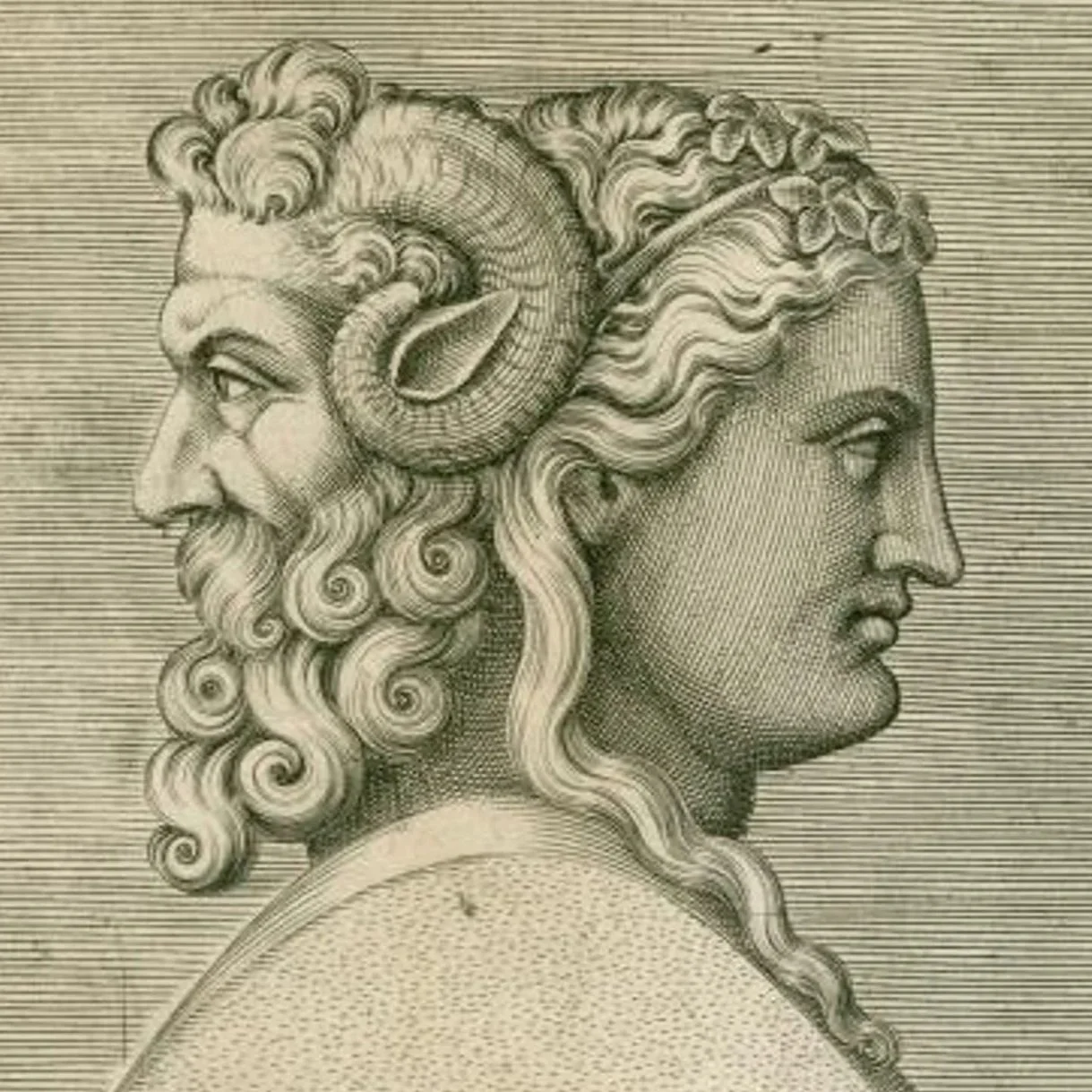
Detail of ‘Bust of the Roman God Janus’ (1569) © The New York Public Library
As we look forward to 2026, we are drawing on the Roman god Janus for inspiration - reflecting on our past as we plan for the future. We have lots of exciting plans for the next twelve months, but you are unlikely to see any great new megastructures sprouting up to expand our 10,000 year timeline. (Not this year, at least!) We love our big, bold projects, but this year we are looking forward to nurturing and maintaining our existing buildings, and giving the whole site a refresh, rather than a revamp.
The UK heritage sector is facing a significant and ongoing struggle, with some statistics pointing to an ‘existential threat’ driven by a combination of funding cuts, rising operational costs and post-pandemic challenges. As an independent, not-for-profit heritage site, we take our responsibility seriously to keep Butser thriving in the face of adversity. For us, this means focusing on ‘small but mighty’ ways to keep our site fresh, vibrant and inspiring, and we have lots of exciting plans for 2026 that will help us continue to make Butser the best place it can be - a sanctuary for those who find solace in the old ways, whether that’s sitting beside a roundhouse fire or learning to knap flints in the sunshine.
The turn of the year is always a great time for us to pause and reflect on the history of Butser Ancient Farm. Our Marketing & Design Coordinator Tiffany has recently been sifting through our archive of old photos and documents, many of which date back to the early seventies when the Butser project first began. She recently walked to the first site on Little Butser - a magical relic of the project located on a muddy little spur, jutting off the side of the hill.
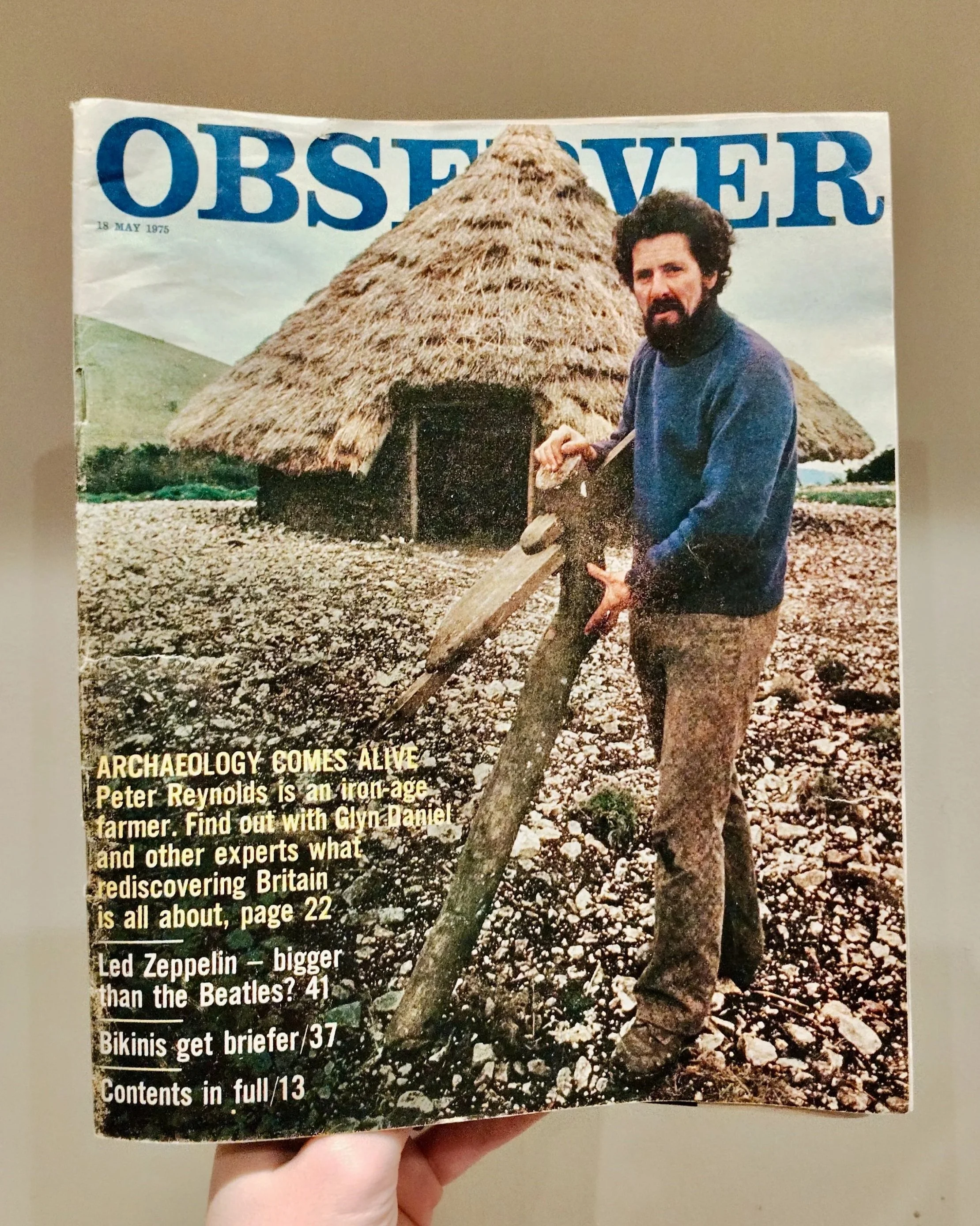
A copy of The Observer from 1972 featuring one of our founding archaeologists, Dr Peter Reynolds
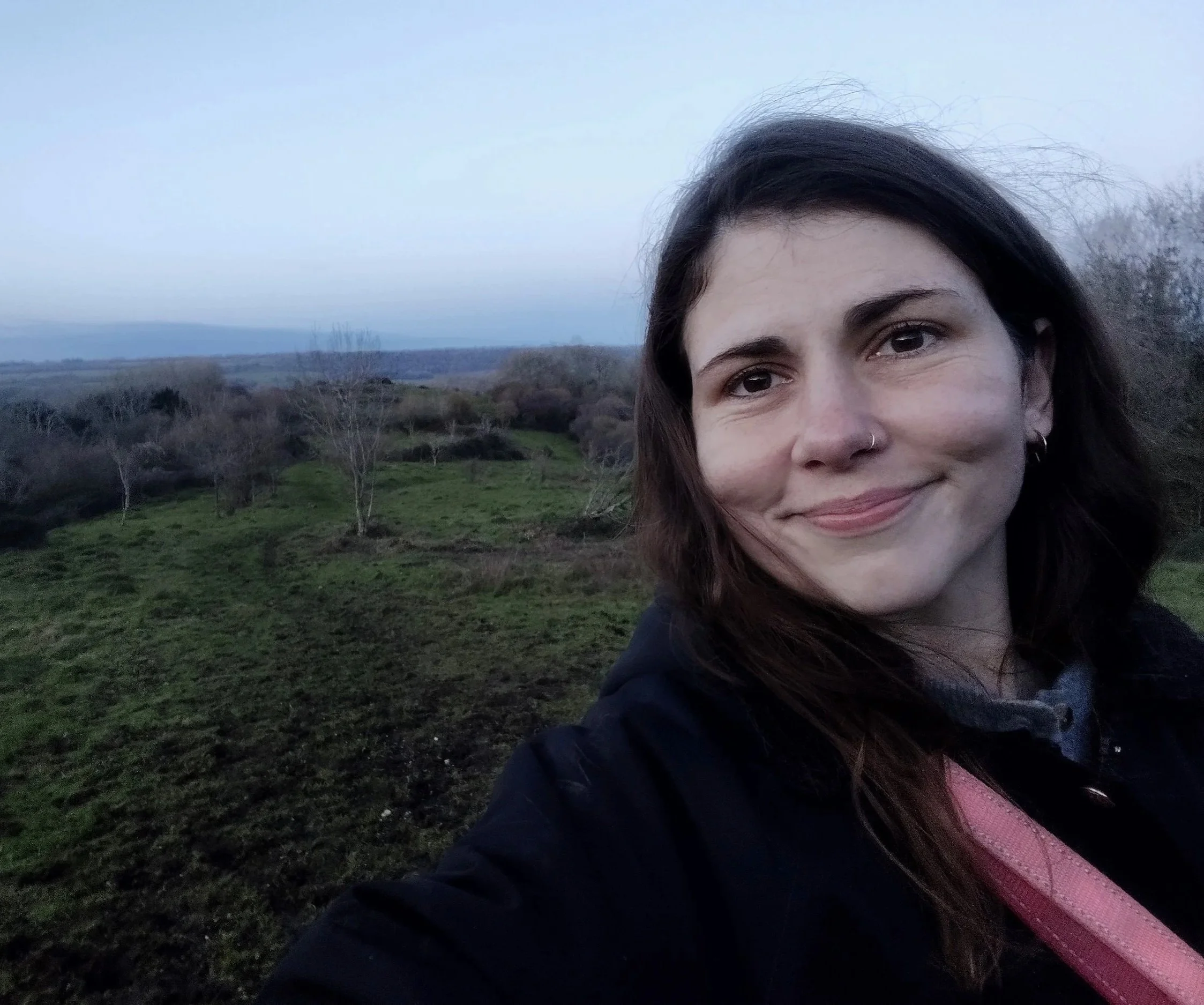
Tiffany at the muddy Little Butser site
It is amazing to imagine how they even accessed that site all year round, so to think of how far the project has come since 1972 is a wonderful reminder of how special and unique Butser Ancient Farm is. It was pioneering when it was first created, and it continues to thrive in a very changeable world. We are very proud of the farm’s past and hopeful for the future, and we’d like to thank all our visitors, staff and volunteers for their continued support.
We look forward to seeing you all again in 2026! In the meantime, here are a few highlights coming up this spring:
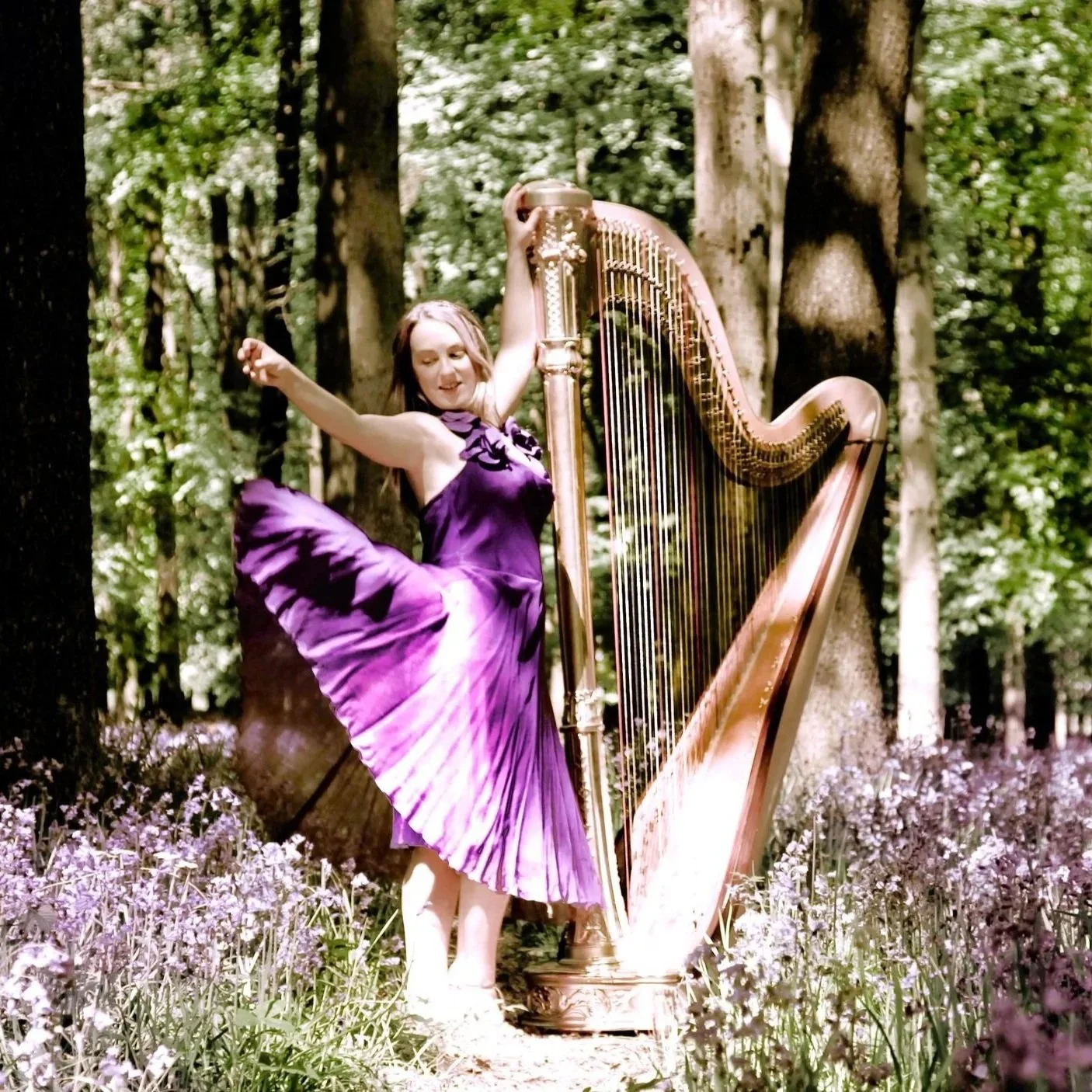
Spring Harp Concert with Keziah Thomas
Friday 10th April | 7pm - 9pm
Springtime is upon us. The birds celebrate her return with festive song. Hear The Lark, The Nightingale and the rustling of trees as award-winning harpist Keziah Thomas will perform a mesmerising concert in our Great Roundhouse to immerse you in the beauty of spring.
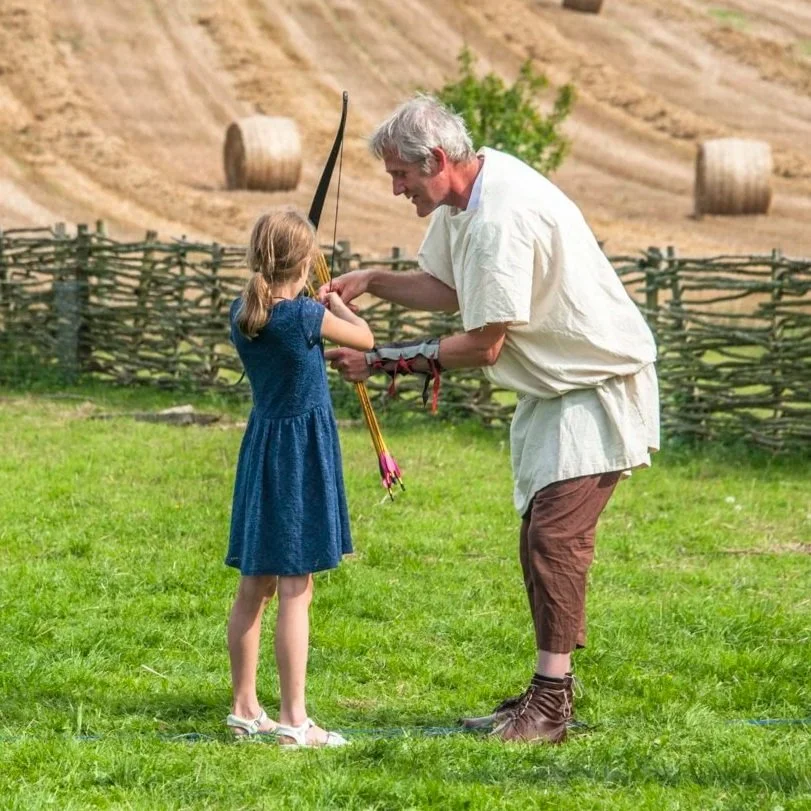
Time Traveller Holiday Camp
February Half Term & Easter Holidays
At our Time Traveller Holiday Club, your child will experience Butser like never before. They’ll spend each fun-filled day with us packed with exciting activities, from making their own clay pots, grinding wheat and baking bread, to trying out weapons, playing ancient games and getting to know the Butser goats — all in the beautiful setting of our ancient buildings in the Hampshire countryside!
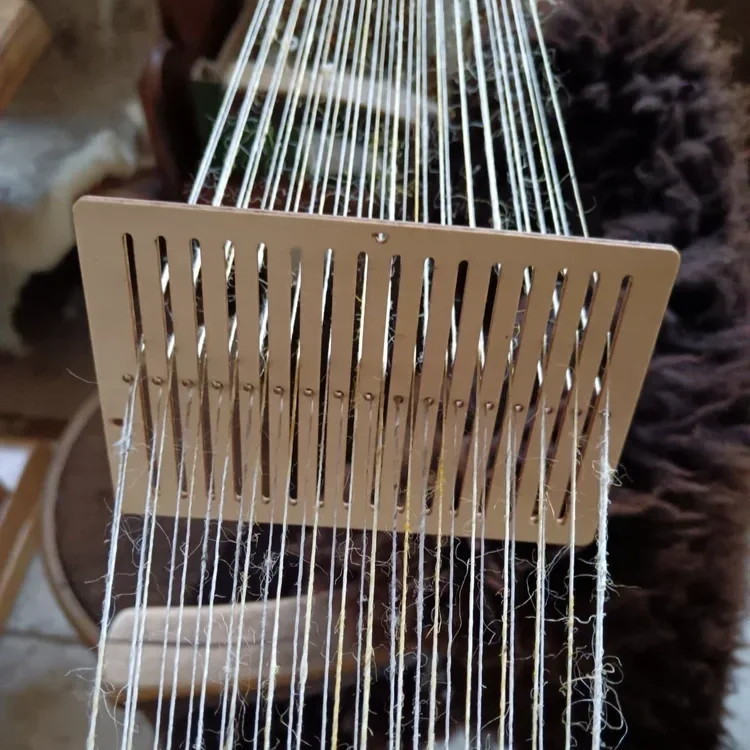
Belt Weaving - Backstrap Loom Workshop
Sunday 22nd March | 10am - 1pm
Come and weave in an Iron Age roundhouse, using techniques which stretch back thousands of years. Join heritage educator Kat Wootton to learn about setting up a simple backstrap loom using a rigid heddle. Learn about warp threads and weft threads, what the shuttle does, and a little textiles history, while making a beautiful belt from natural fibres.
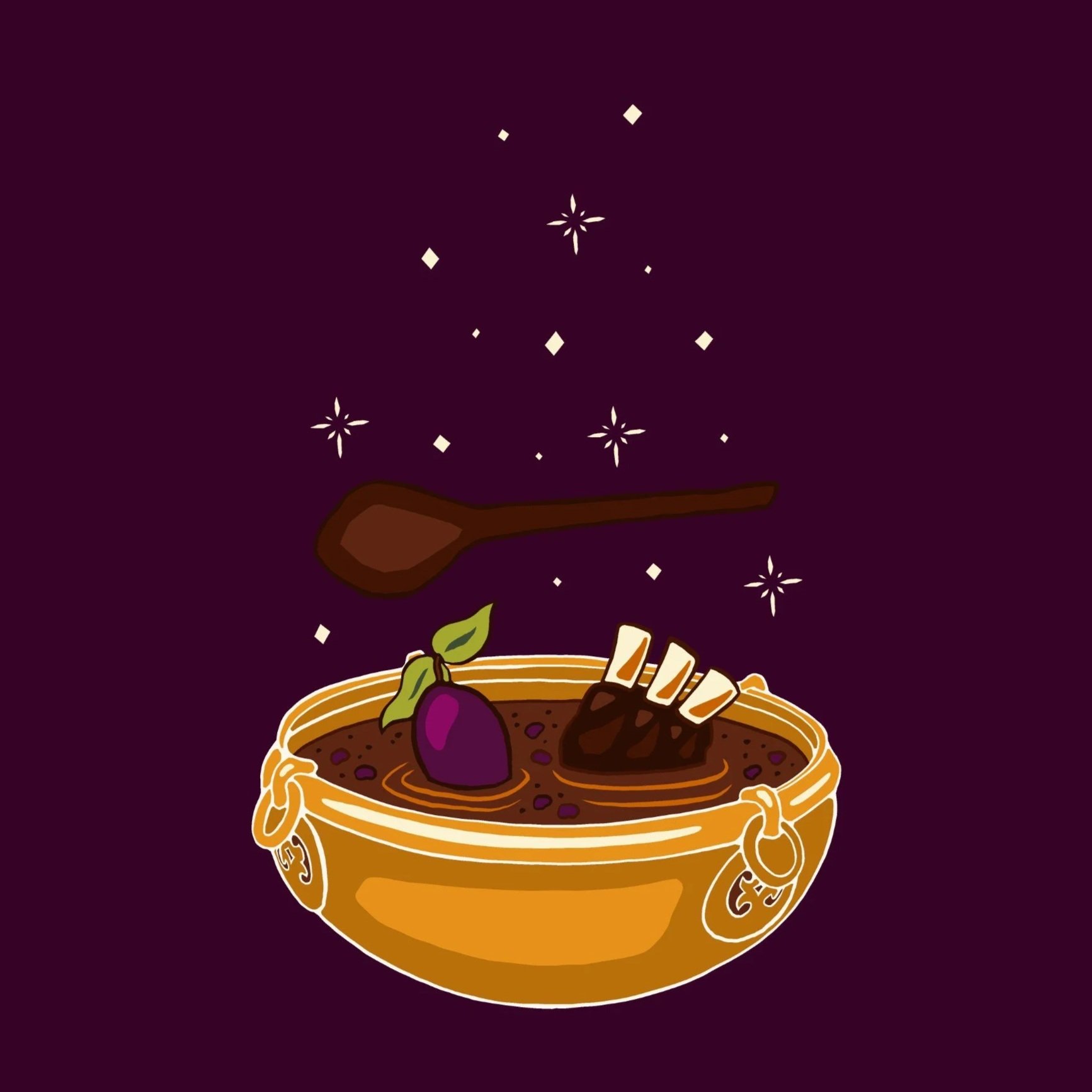
How to Make a Saxon Figgy Pudding
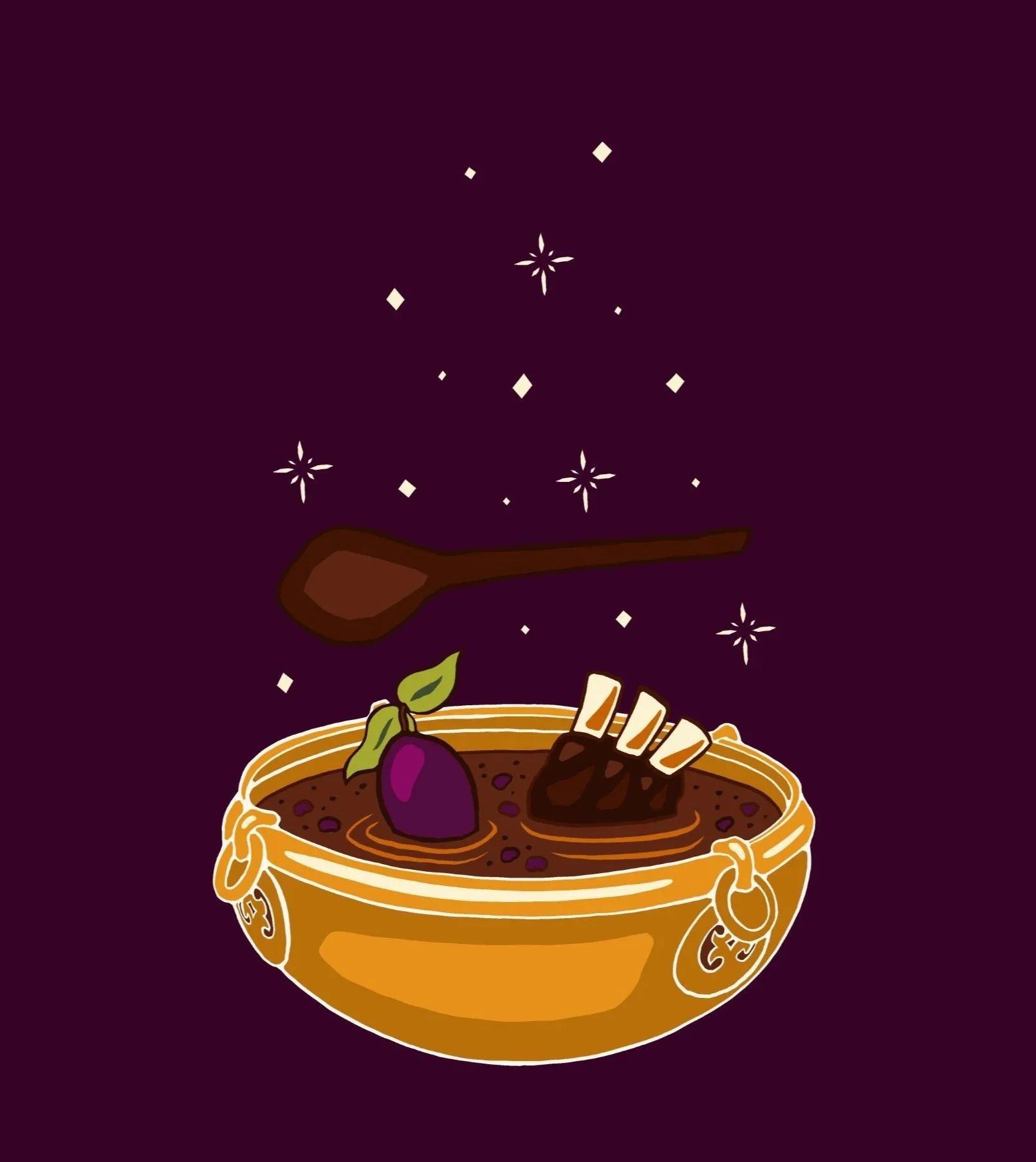
Illustration by Tiffany Francis-Baker
Hang on.. Is that a pudding or a punch?
The figgy pudding of Christmas carol fame has long been part of the festive lexicon, but the dish to which it refers can be harder to pin down.
The term ‘figgy pudding’ is usually associated with the iconic steamed pudding we see on Christmas cards - a mound of mincemeat topped with a sprig of holly.
In a world before electric fridges, these mincemeat-based recipes were designed to preserve meat by mixing it with high levels of sugar, fat, spices and alcohol (that’s our kind of Christmas Day).
But the original figgy pudding, dating back to the Middle Ages, is almost unrecognisable from its modern descendant.
The pudding we know today actually began life as a pottage - a form of savoury broth made of dried fruits (including ‘figgy’ figs and plums), spices, wine, breadcrumbs, ground almonds and meat stock.
It was not until the end of the 17th century that ‘figgy pudding’ became more solid, sliced and cooked beneath a roasting joint, before later becoming a dessert.
Like many ancient customs, there are few written examples of recipes from the early Medieval period, when Saxons would have celebrated Yule with heaving tables of food and drink, similar to those in our Saxon longhalls.
The recipe below is a best guess at what a Saxon may have interpreted as a figgy pudding - not a steamed dessert, but a savoury starter at the beginning of the meal. If you’re looking to impress your relatives this Yule, why not complete the menu with a few other Saxon delicacies like stuffed boar testicles and rotting medlars? Waes hael!
For expert guidance, we also have a range of cookery-themed workshops taking place in 2026 - the perfect last minute Christmas gift for friends and family.
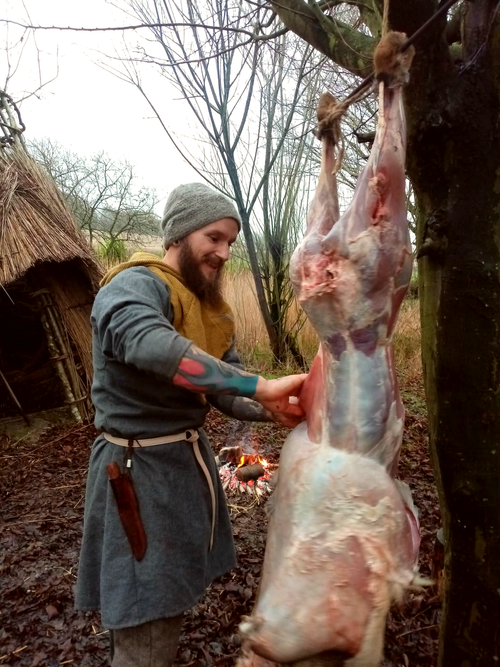
Deer Butchery & Saxon Cookery
Saturday 16 May / Saturday 12 December
Learn the most ancient skill there is: how to prepare an animal for the table. Skin, butcher and cook a deer using traditional tools, techniques and recipes.
Saxon Cookery
Sunday 17 May / Sunday 13 December
Learn to cook some of England’s oldest recipes like sweet Saxon bread, nettle and wild garlic soup, and meadowsweet mead, and feast in an authentic Saxon hall! Veggie and vegan-friendly options included.
Using the Whole Animal
Friday 21 - Sunday 23 August
This course will introduce you to which parts of an animal are useful for different products, and how to preserve those parts until they can be used. We will cover all basic butchery for both food and utilitarian items, as well as those parts not often seen as useful.
How to Make Saxon ‘Figgy’ Pottage
INGREDIENTS
500g beef or mutton, diced
900ml water
1 tsp salt
1 tsp ground nutmeg
1 tsp ground cinnamon
1/2 tsp ground cloves
200g prunes
2 handfuls fresh breadcrumbs
1 handful ground almonds
200g raisins
2 medium-sized cooking apples, peeled and diced
300ml red wine
300ml ale
100ml verjuice*
* Verjuice (from the French vert jus or ‘green juice’) is a sour liquid made from pressing unripe, unfermented grapes, crab apples or other sour fruits. Due to its mild acidity, it was historically used in medieval cooking to cut the richness of savoury dishes. If you don’t have access to verjuice, you can use diluted lemon juice or cider vinegar.
METHOD
1. Add the meat and water to a large pot and bring to the boil, then reduce to a simmer. Add the salt, nutmeg, cinnamon, cloves and prunes, and allow to simmer for half an hour.
2. Stir in the breadcrumbs and ground almonds and leave for another half hour to simmer.
3. Add the raisins, cooking apples, red wine and ale, then simmer for a further 15-20 minutes until the fruit is plump and apples are tender.
4. Finish by adding the verjuice, then stir well and ladle into bowls with a crust of warm bread on the side.
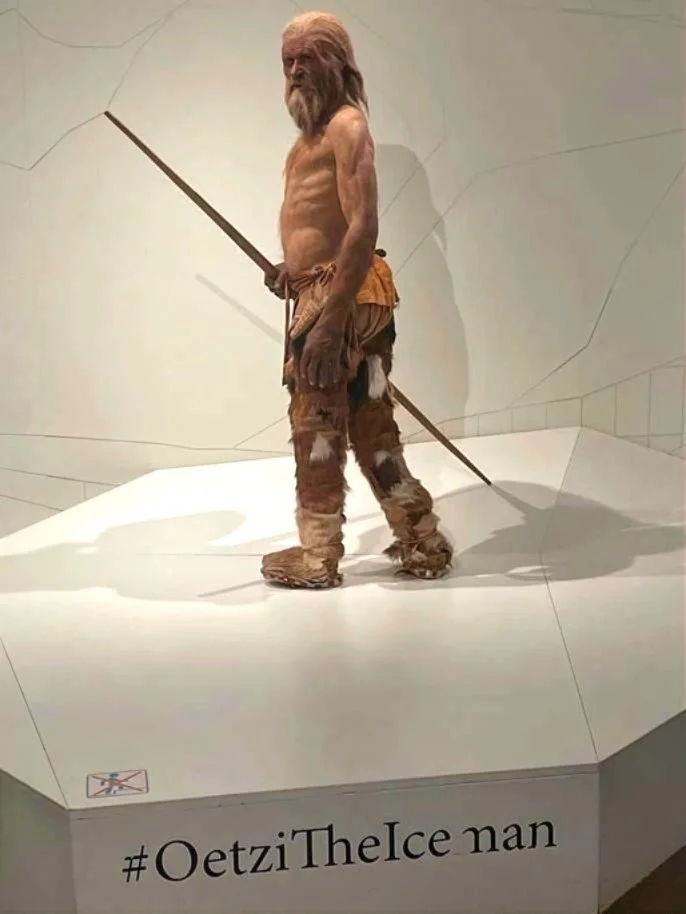
Frozen in Time: Coming Face to Face with Ötzi the Iceman
This week, our Experimental Archaeologist Therese Kearns shares a highlight from her recent trip to Italy, where she came face to face with Ötzi the Iceman.

View of the outside of the museum with alpine backdrop (Thérèse Kearns)
While planning a short break to Verona recently, I realised that Bolzano was only an hour and a half away by train. As an archaeologist, that proximity was irresistible: Bolzano is home to the South Tyrol Museum of Archaeology where lies one of the most extraordinary archaeological discoveries of the 20th century - Ötzi the Iceman. I booked museum tickets immediately; there was no way I was going to miss the chance to encounter this remarkable Copper Age individual whose story continues to reshape our understanding of prehistoric Europe.
Ötzi was discovered in 1991 by two hikers in the Ötztal Alps, who initially assumed they’d found a lost mountaineer. The upper torso of a body was protruding from ice that had melted back after an unusually warm summer. Only when archaeologist Konrad Spindler examined the associated objects did the true age of the find become clear. The tools, the fragments of clothing, and the workmanship all pointed unmistakably to the late Neolithic or early Copper Age. Radiocarbon dating confirmed it: Ötzi lived more than 5,300 years ago.
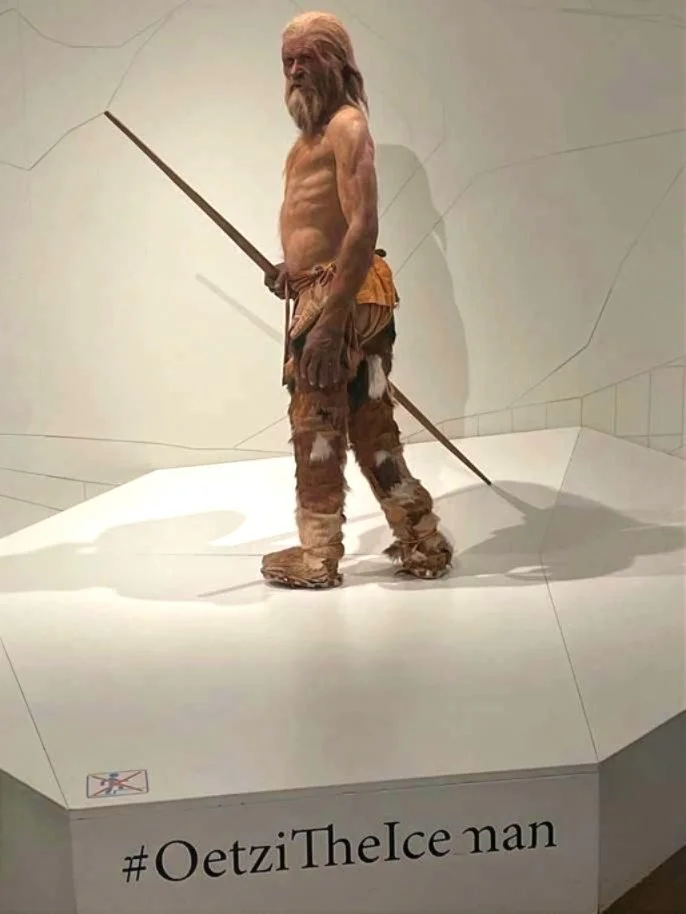
Reconstruction of Ötzi by the Kennis brothers, based on forensic methods. (Thérèse Kearns)
But the discovery wasn’t just the survival of a body - it was an entire time capsule. Alongside the mummy were his clothes, equipment, and a remarkable array of organic materials, preserved simply because they had rested in a cold, stable environment for millennia. Today, Ötzi lies in a purpose-built chamber kept at –6°C and 99% humidity, continuously misted with sterile water to mimic glacial conditions. The method is working well for now, but the conservation team remains cautious as no one knows how long it will remain effective.
I’d read extensively about Ötzi over the years and seen countless photographs, but nothing prepared me for the impact of seeing him and his belongings up close. The ingenuity and craftsmanship of his clothing and tools are truly striking.
His woven grass cloak, surprisingly sophisticated, would have offered excellent protection against wet conditions. His leather leggings, which were recovered in dozens of fragments and painstakingly reconstructed, stand as a testament to the skill and patience of the museum’s conservators.
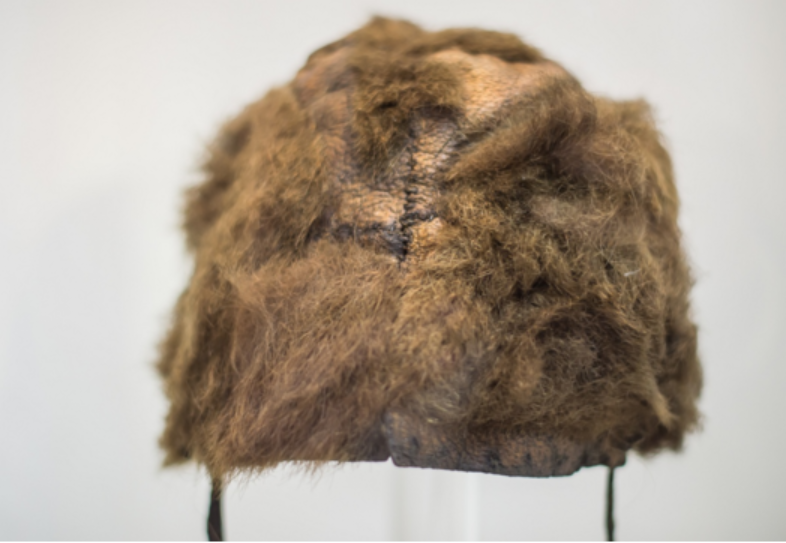
Bearskin hat (South Tyrol Museum of Archaeology)
His shoes were beautifully made - fur-lined, built around an inner netting of tree bast that held insulating hay, wrapped in deer hide and fastened with leather thongs. His coat, crafted from alternating strips of goat and sheep skin cross-stitched together, forms a striking pattern of light and dark panels. And his bearskin hat which was stunning to see in person, completes the picture. Taken together, these items allow you to vividly imagine what it must have been like to meet this man as he journeyed through dramatic alpine passes more than five millennia ago.
Among his gear was the artefact I was most excited to see: his copper-bladed axe, one of Europe’s earliest known examples. I had studied this piece in detail during attempts to recreate the axe head in our hot-tech building, so seeing the original was genuinely thrilling. Scientific analyses reveal that the copper came from Tuscany, more than 400 km from where Ötzi was found - a clue to long-distance movement and exchange in the Copper Age.
We’re used to seeing prehistoric artefacts in museums and imagining their owners. With Ötzi, we can look directly at the person himself, which is extraordinary and unexpectedly emotional.
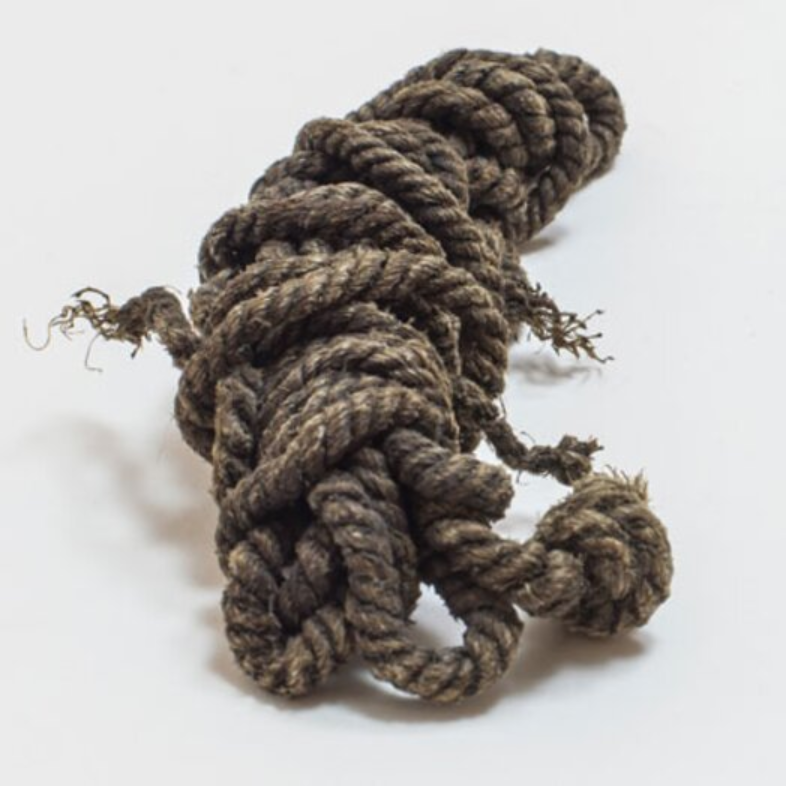
Twisted cord fragments (South Tyrol Museum of Archaeology)
Ötzi provides an unparalleled window into Copper Age life. He was likely in his mid-40s which is considered relatively old for his time. His body bore 61 tattoos, simple lines and crosses clustered around joints and areas of strain, strongly suggesting a therapeutic rather than decorative purpose. Some are still clearly visible as you peer through the small glass window into his chamber.
Scientific analyses have revealed he had a genetic predisposition to cardiovascular disease, lactose intolerance, Lyme disease, and the contents of his last meal, which included ibex, einkorn, and dried fruits.
We also know something of his dramatic final moments. A flint arrowhead lodged near a major artery, combined with severe head trauma, points to a violent end. Whether ambush, conflict, or something more personal, we may never know.
During my visit, I had the pleasure of speaking with Andreas Putzer, one of the museum’s curators. He described the surveys underway in the surrounding high-alpine regions. As glaciers retreat and temperatures rise, new artefacts are emerging - an exciting yet sobering prospect. The pace of discovery may well accelerate in the coming years, bringing both opportunities and serious challenges for conservation.
The South Tyrol Museum of Archaeology is superbly curated, with layered explanations, interactive reconstructions, and space devoted to ongoing research. But the true highlight is the quiet moment when you peer into the climate-controlled chamber. There, lying in the cold that has preserved him for over 5,000 years, is Ötzi.
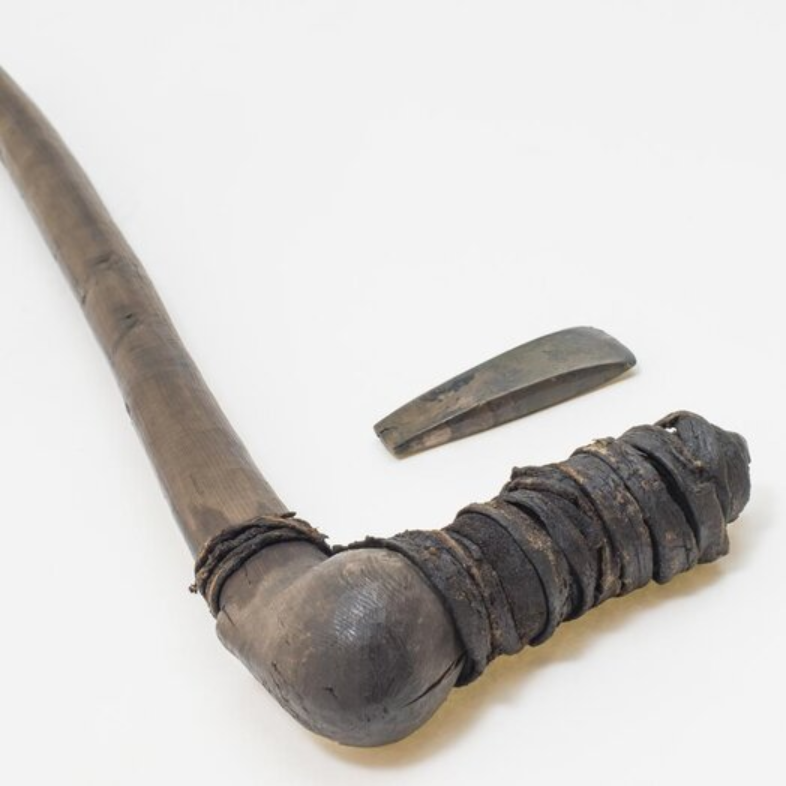
Copper axe (South Tyrol Museum of Archaeology)
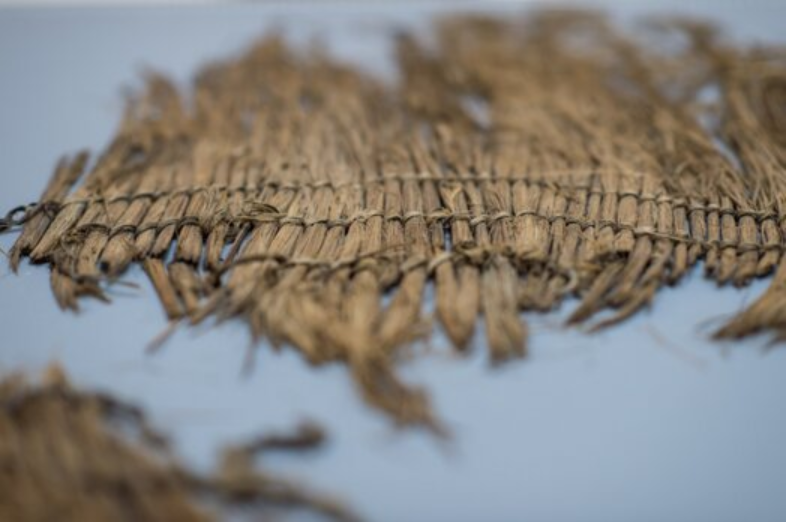
Woven cape (South Tyrol Museum of Archaeology)
Seeing his face is profoundly moving, an encounter like no other.
If you find yourself in northern Italy, go! Bolzano is an easy trip from Verona and well worth it. The museum sits in the beautiful old town, surrounded by cafés and narrow lanes, and inside it holds one of the most remarkable windows into Europe’s deep past.

The discovery site in the Ötztal Alps (South Tyrol Museum of Archaeology)

One Year of the Sandford Award
It’s been one year since we shared the exciting news that Butser Ancient Farm won the prestigious Sandford Award! This is the ultimate gold star in heritage education, recognising heritage sites that deliver outstanding learning experiences. Think of it as the Ofsted for museums and historic sites like ours, where the judges are looking to celebrate exceptional school trips and educational offerings that support schools and the National Curriculum. One year on, we are still so proud of our team and everything we have built at the farm, which continues to improve and blossom every year.

In case you missed it, here is what the judges said about the farm when they presented the award last year:
‘Schools visiting Butser Ancient Farm can expect an exciting and memorable experience packed with hands-on activities in immersive spaces. Pupils will leave with deeper knowledge and historical understanding, curious to know more and pleased with the results of their efforts, whether twisting bronze for jewellery or building a wattle fence. The beautiful landscape and impressive reconstructed houses provide a wonderful setting for exploring local heritage guided by passionate and knowledgeable staff.’
We are so thankful to the judges for their kind words, and incredibly proud of our education team for receiving such glowing praise. For over 50 years, we have been dedicated to bringing the ancient past to life, driving forward our research and spurring us to share it with our visitors.

Our educational programme is a real labour of love. We’ve designed it to inspire curiosity, creativity and teamwork, while also ticking all the National Curriculum boxes for schools. Our trips are hands-on and experiential, covering not just history but also art, design and technology, science, maths and more. The programme has evolved and developed so much over the years (and is continuing to do so!) and we’re so grateful to see our hard work validated through this award. Simon Jay, our Director, summed it up perfectly:
‘We’re thrilled to receive the Sandford Award, which is a testament to the hard work and passion of our team. At Butser, we strive to connect people with the ancient past in meaningful and inspiring ways. This award not only celebrates the impact of our educational programme but also helps us to continue expanding and enriching our offerings for schools and visitors alike.’

And we’re not stopping here! We’ve got big plans to make our workshops and activities even more immersive, with exciting new ways to explore history hands-on. Whether you’re a school group or a curious visitor, there’s always something fresh to discover at Butser.
We are now gearing up for our 2026 programme so you can come and see for yourself why the judges were so impressed. We can’t wait to welcome you, and who knows – you might leave with a new skill or two! Here’s to celebrating history, hands-on learning, and this incredible recognition. Thank you to everyone for supporting us and being part of the Butser story!
Check out our School Trips for an immersive, hands-on experience they will never forget!
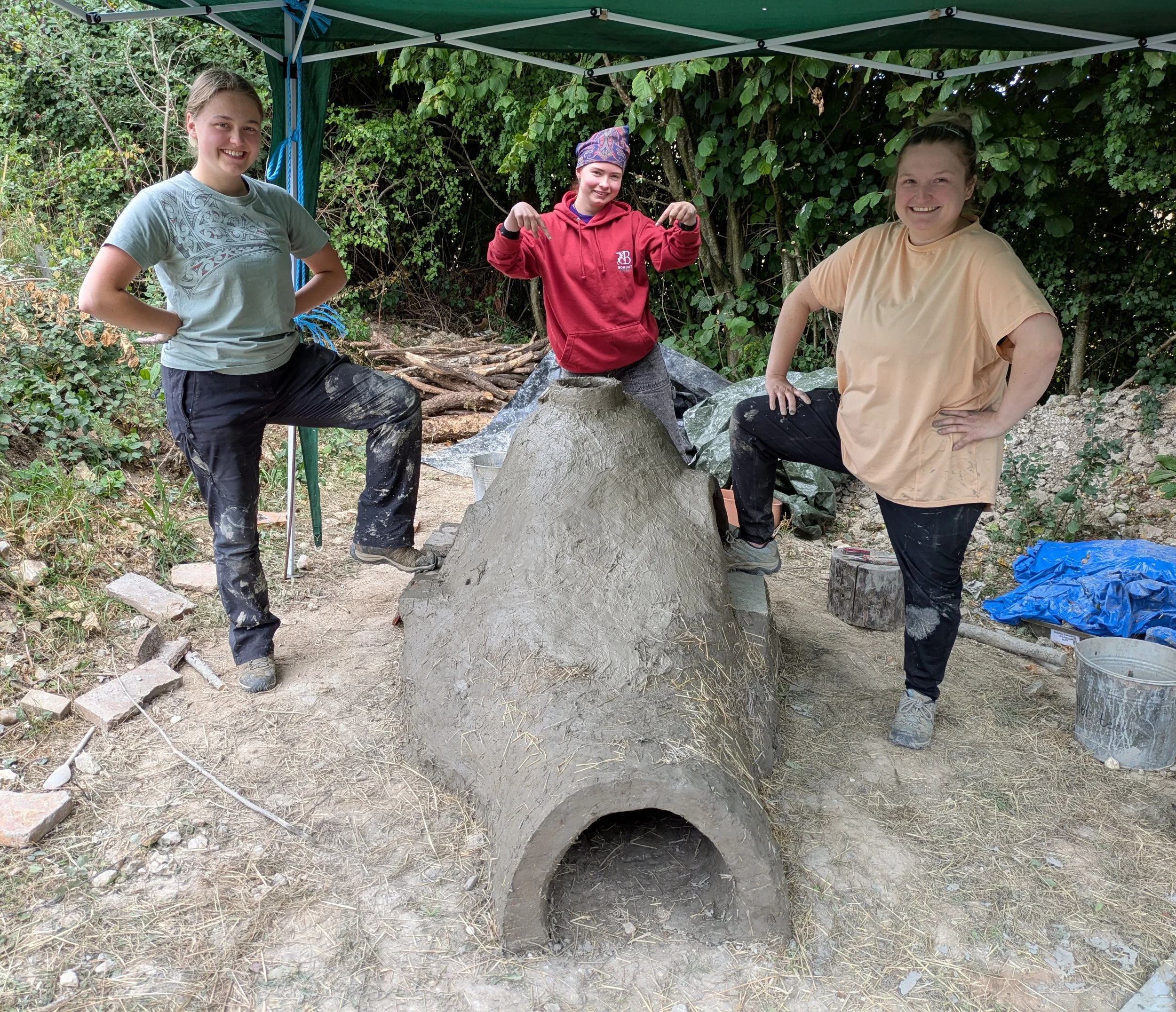
Recipe for a Roman-Style Glassworking Furnace (à la Butser)
In an incredible team effort - during the August heatwave, no less - we added a new installation to Butser’s hot tech area - a rather large Roman-style glassworking furnace! Kim Devereux-West shares more about the exciting new project she led at the farm.

This experimental build is part of my PhD project at Newcastle University: ‘Windows into Ancient Recycling at Fishbourne Roman Palace’. The design is based on the archaeological evidence for glassworking furnaces in Roman Britain. However, given how limited this data is, experiments like this are essential for understanding ancient glassworking. I hope to use this furnace to replicate matte-glossy window panes, like those found at Fishbourne Roman Palace.
So how did we do it? Well, I’ve written a handy little recipe to explain exactly that…
Recipe for a Roman-Style Glassworking Furnace (à la Butser)
INGREDIENTS
625kg of pre-grogged clay (50 x 12.5kg bags)
Approx.1 small bale of hay, chopped
Approx. 50 pre-fired handmade Victorian bricks
Approx. 10 buckets of Roman ceramic building material (CBM)
10 modern clay tiles
A handful of stone slabs

INSTRUCTIONS
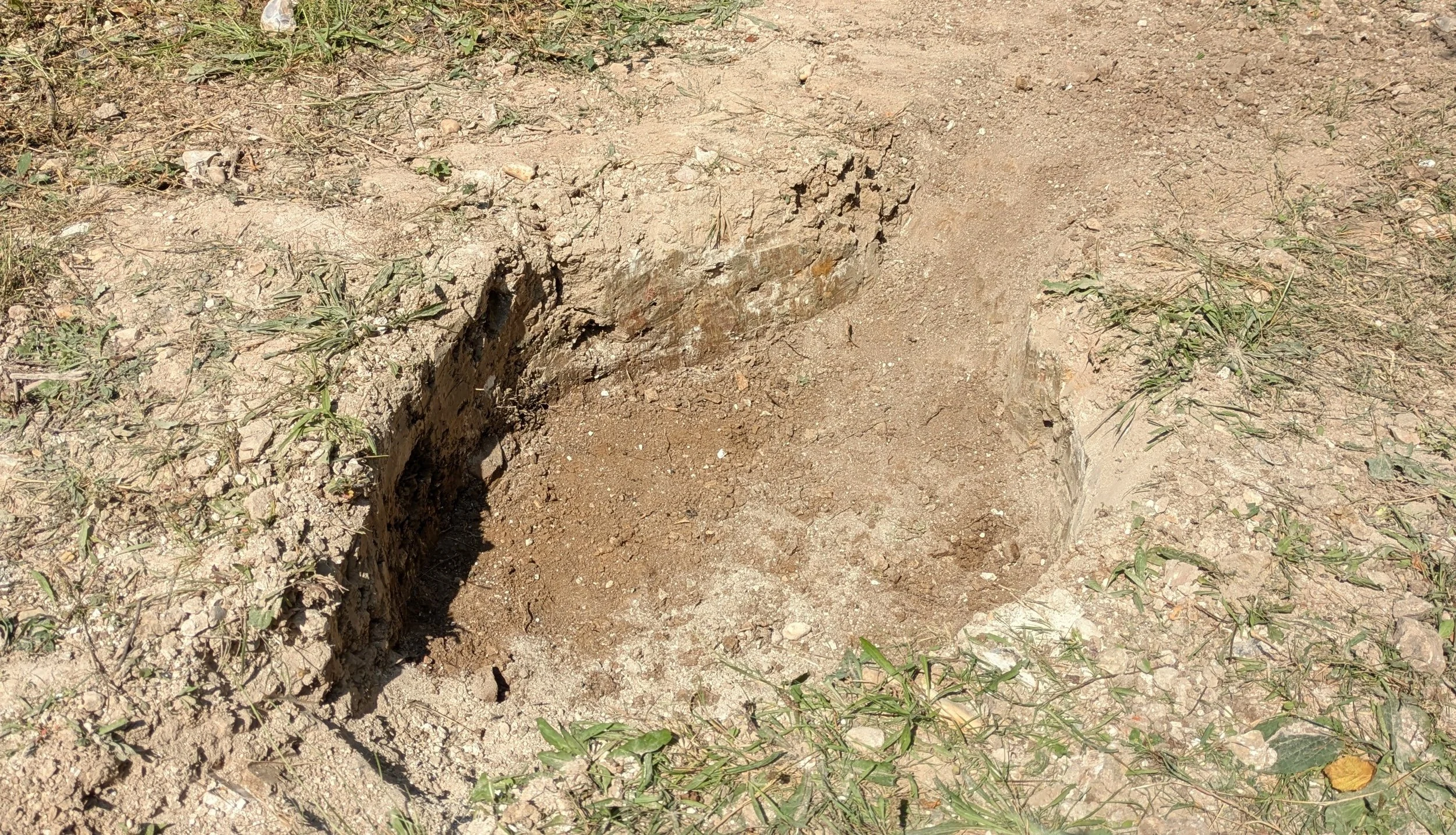
Step 1: Dig the Fire Chamber
Dig a circular hole about 1m wide and 30cm deep, with sloped openings 30cm wide on opposite sides. Designate one sloped opening as the stoke hole for adding wood to the fire and the other for airflow and ash removal.
This was probably the hardest part for our team - digging through very dry, very solid stony clay on one of the hottest days of the year was not ideal…
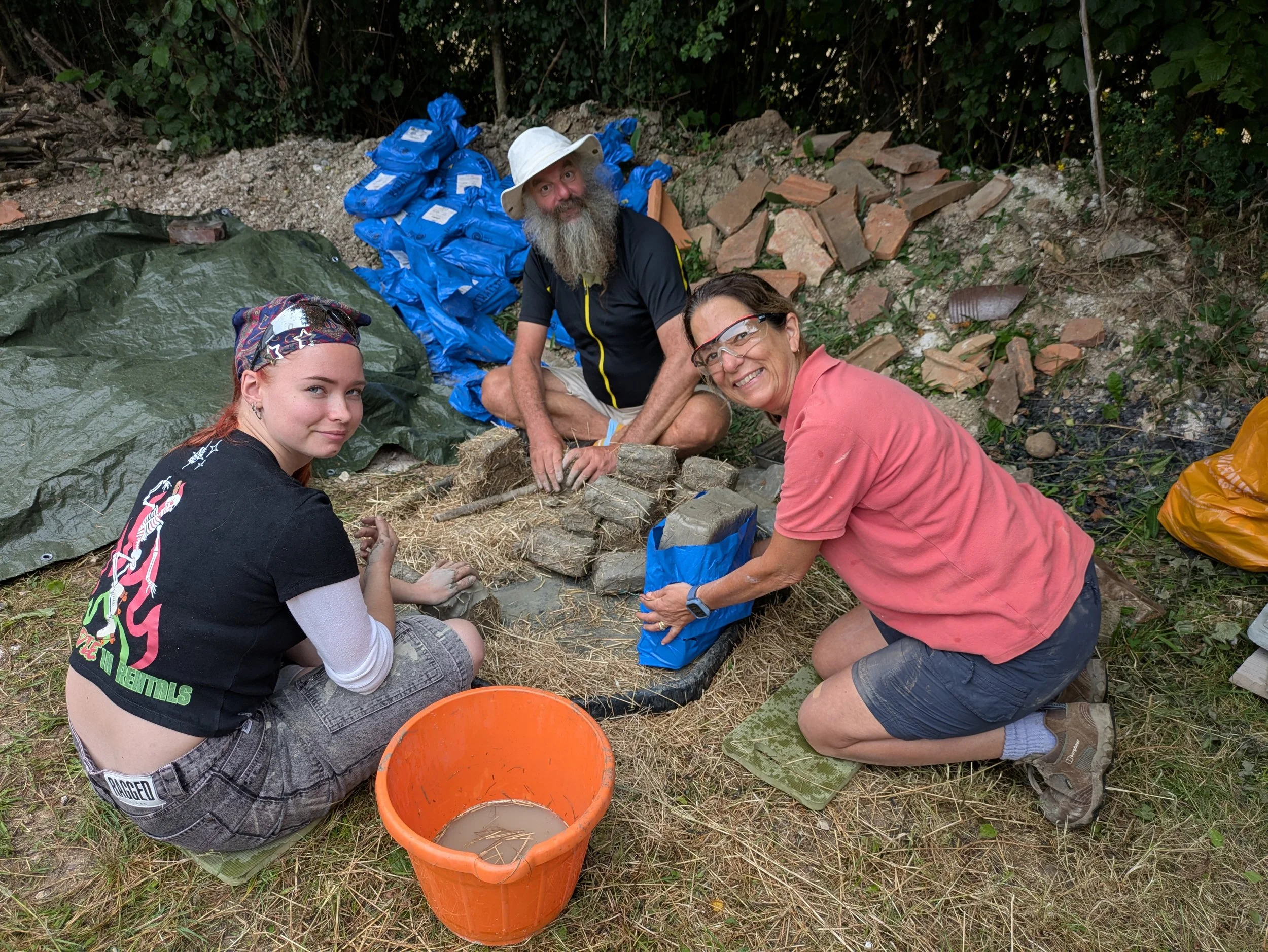
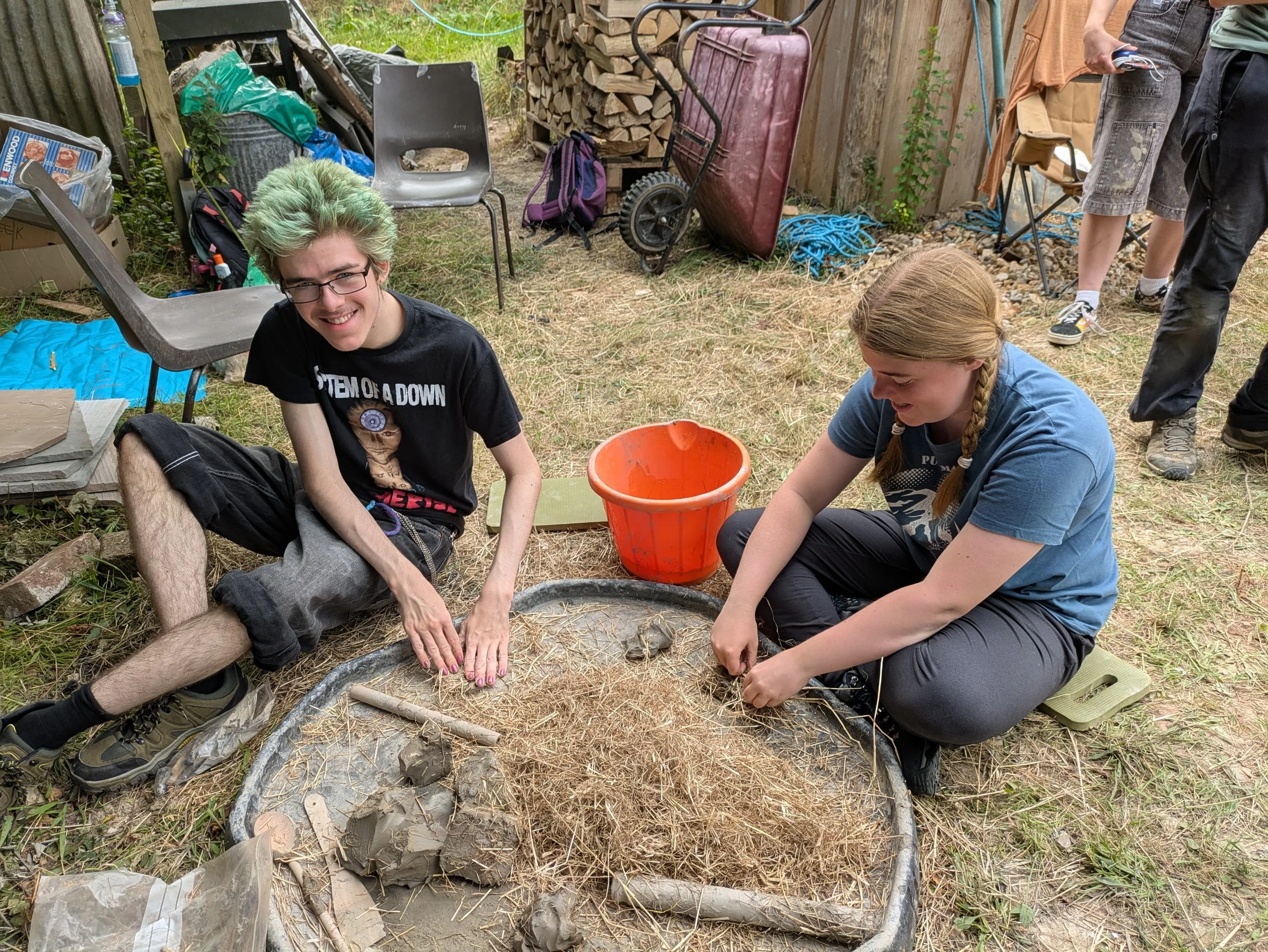
Step 2: Make Daub
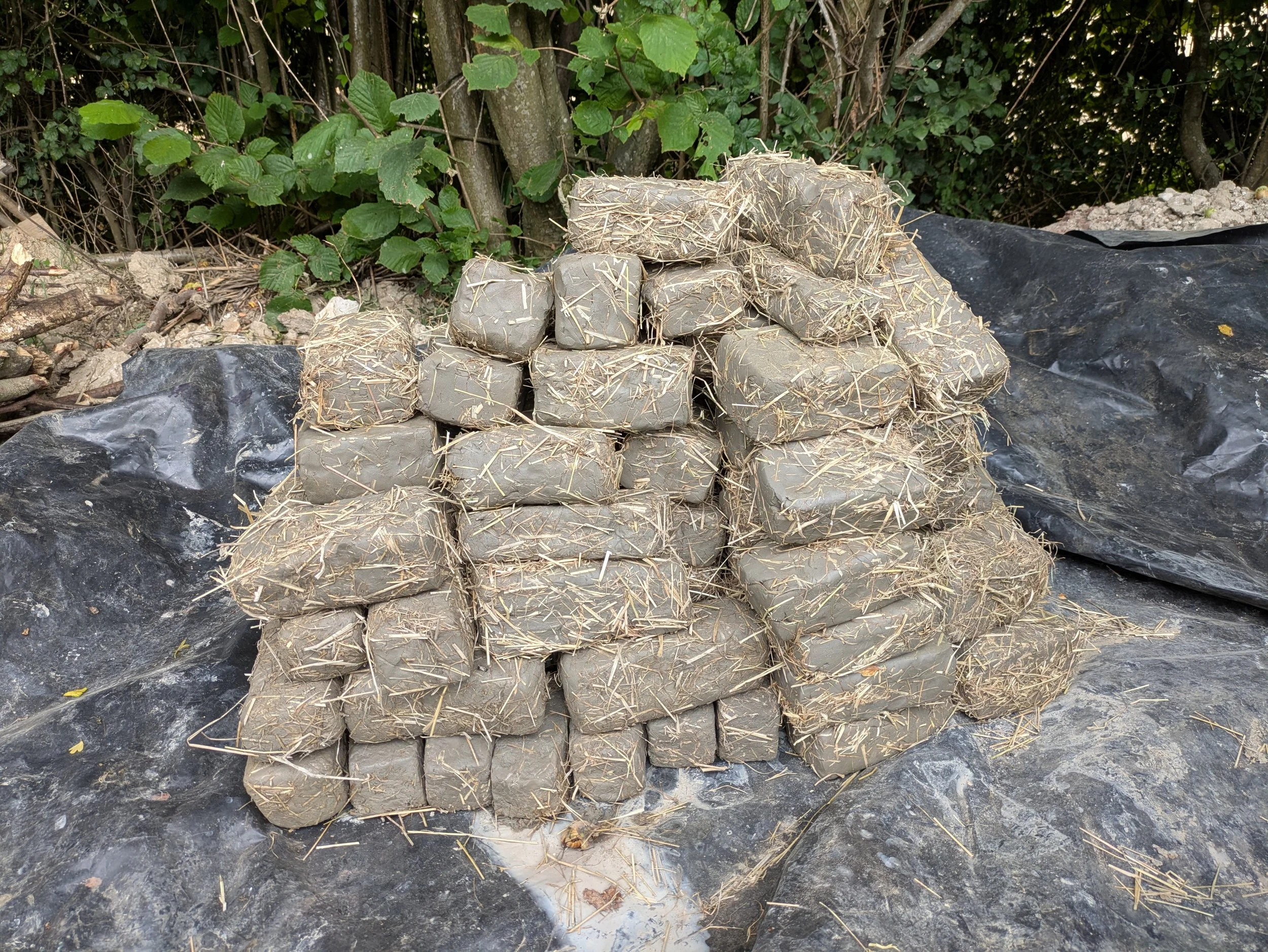
Make a lot of daub by mixing clay, grog (crushed ceramic) and chopped hay together.
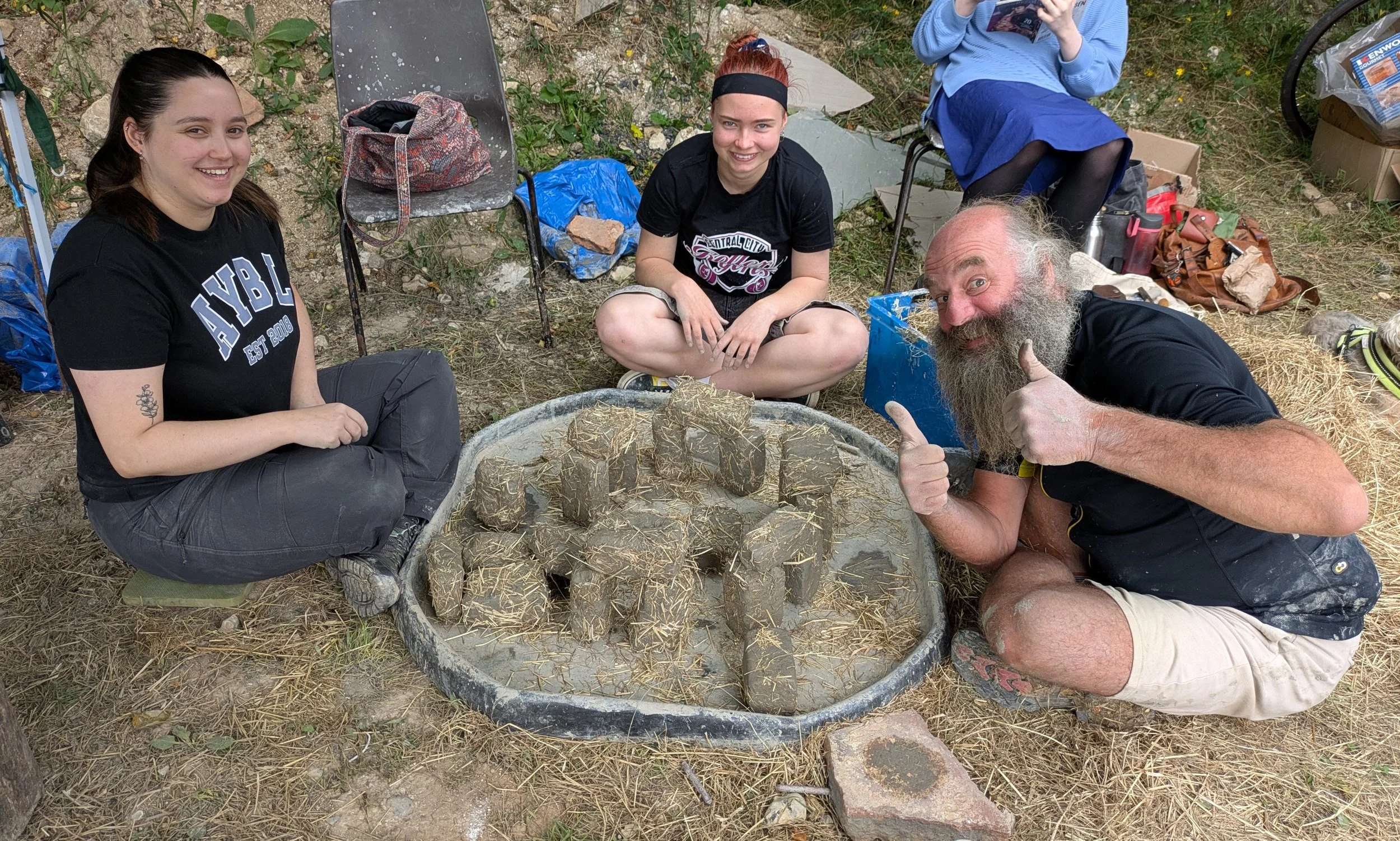
We used pre-grogged clay to save time, but we still had to work in the hay ourselves. Some of the daub was made into a paste, by adding water that could be used to fill in cracks and help glue everything together. Most of it, however, was formed into rough brick shapes that could be stacked and manipulated together as the furnace grew in height. This method also helped reduce drying time and shrinkage and made an excellent brick henge!
Step 3: Line the Fire Chamber
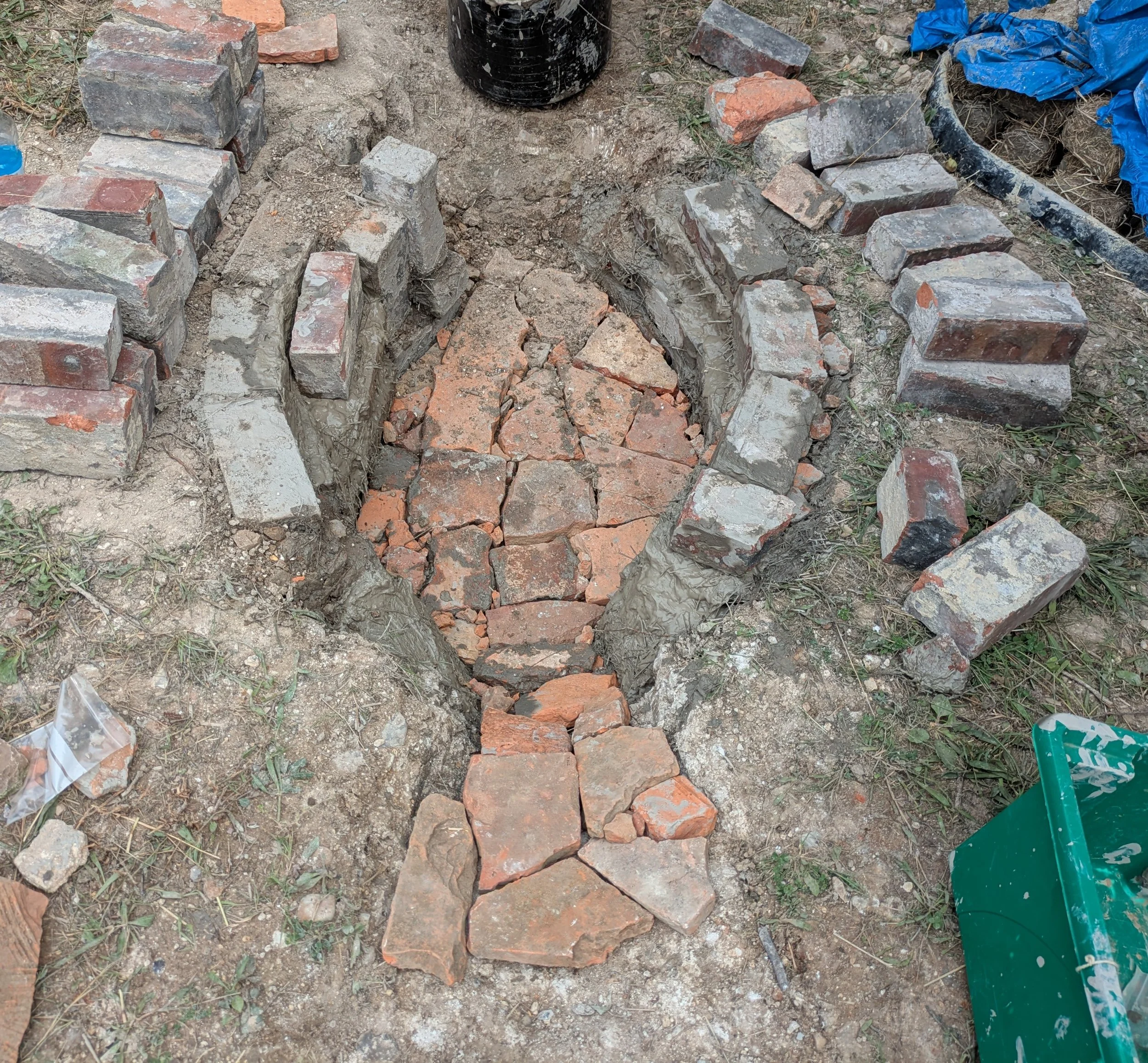
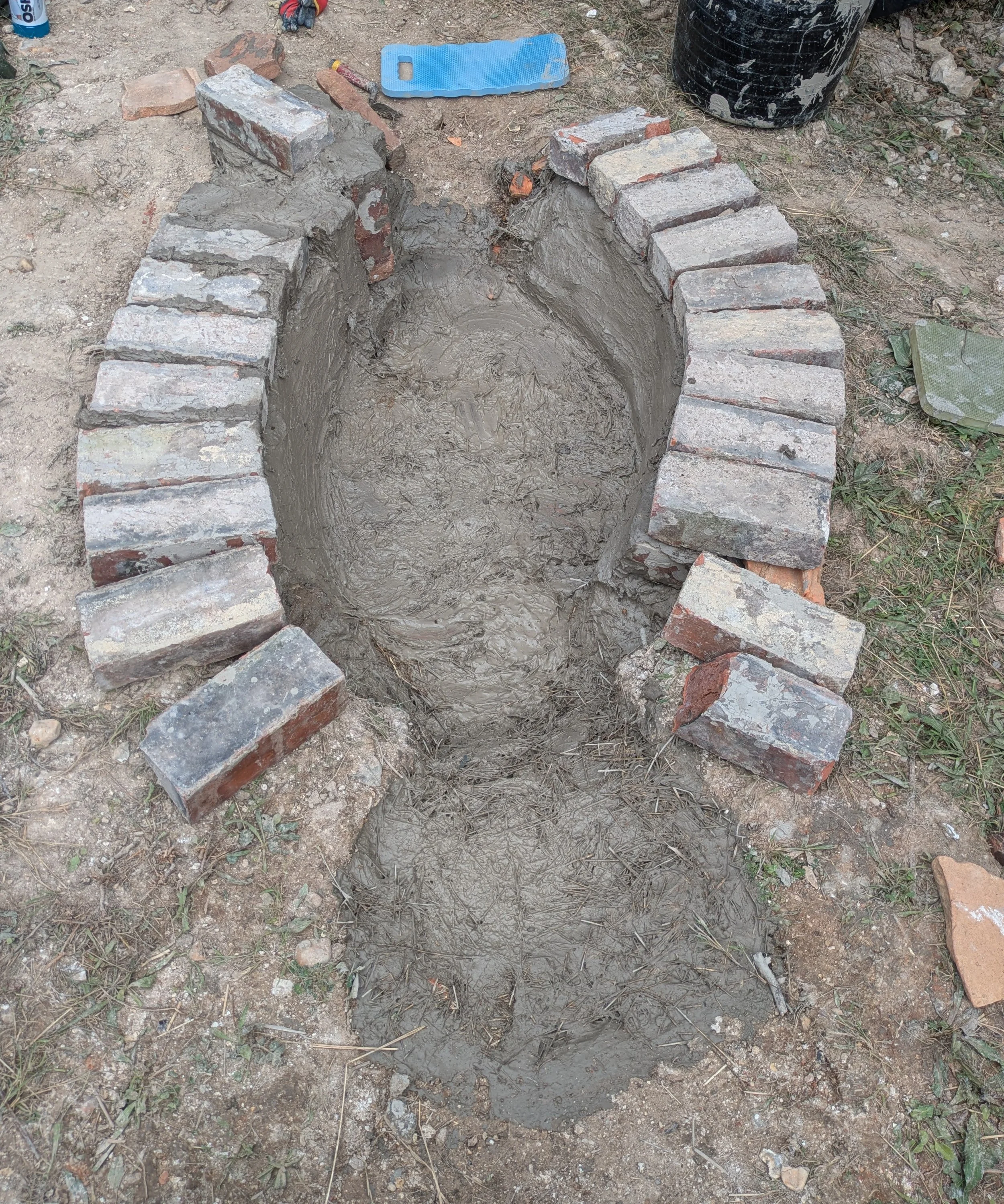
Line the excavated hole with bricks/daub/CBM (but don’t block up the slopes).
We recycled pre-fired ceramics to form a sturdy base that would need less time to dry and shrink less than daub alone. We used handmade Victorian bricks for the walls and Roman CBM for the floor. As we were on a slight slope, we felt we needed to buttress one side of the furnace, which meant the circular shape became a bit wonky. We learned to embrace the wonk just like the Romans, as most of their examples aren’t perfectly circular either! We filled in the cracks with smaller chunks of CBM and the daub paste we made earlier.
Step 4: Build the Walls
Add bricks (pre-fired or daub) to the walls to increase the height, until you reach the level you would like your shelves to sit at.
We added 3 courses of bricks above ground level to get to our required shelf height.

Step 5: Add Shelves
Add shelves to the walls. These will be used to hold crucibles of molten glass inside the fire chamber and tools/furniture on the outside.
We are trialling using several types of stone slabs as shelves, as we already know from other experiments that daub and CBM shelves work. We pre-tested our stone in a smaller fire first to rule out any immediate issues if faced with heat, but it may be a different story when faced with the higher temperatures we will be working glass at. We hope we have placed the shelves in such a way that they can be repaired or replaced if needed further down the line. One of our stone shelves was built into the inside of the fire chamber and had a Roman CBM shelf on the outside of it. The other stone shelf sat across the width of the wall to act as a shelf both inside and outside of the chamber.
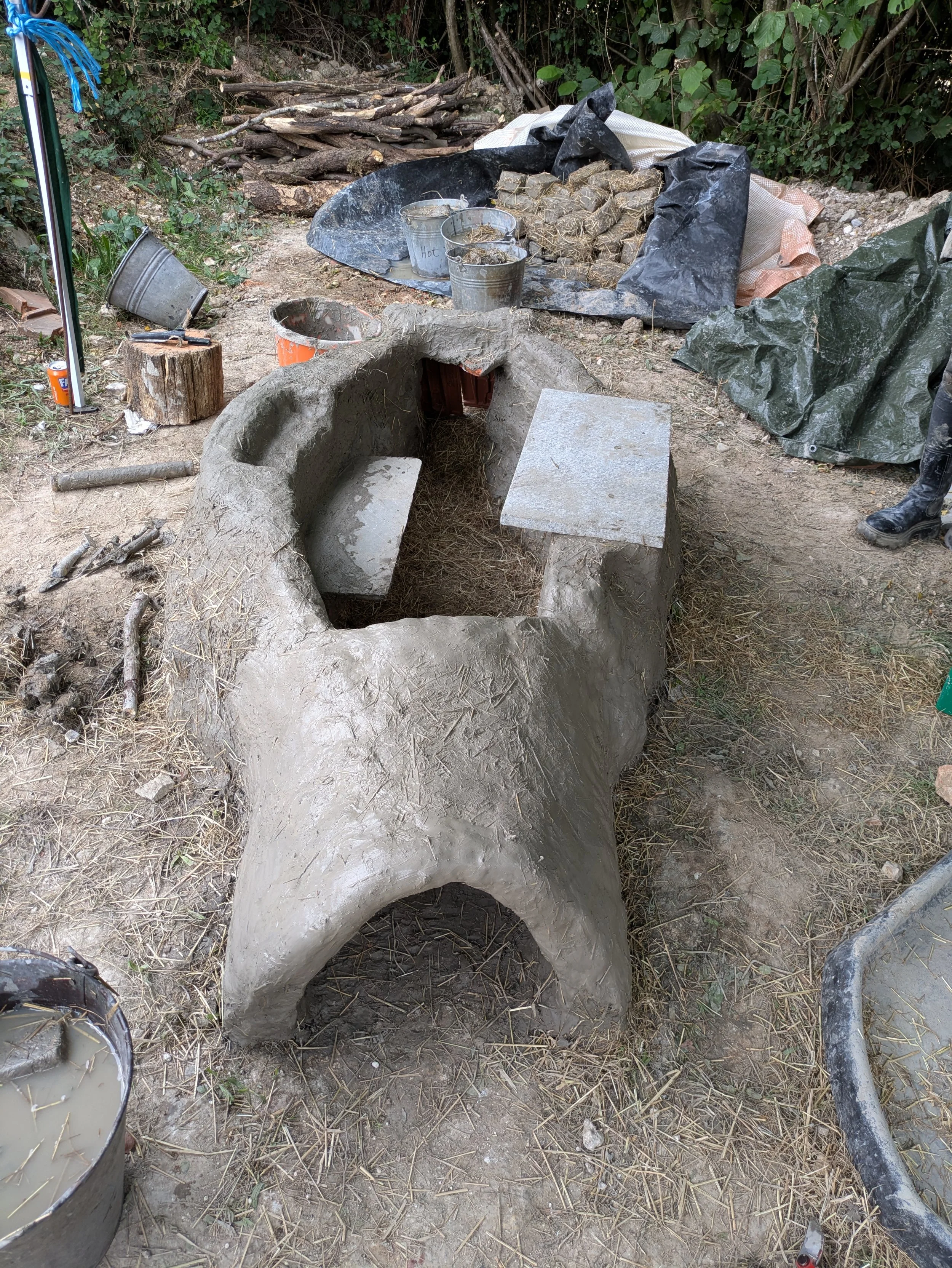
Step 6: Bring in the Walls
Slowly start to corbel in the walls to create a dome over the fire chamber and stoke hole.
We found that doing it slowly over several days allowed the daub to dry a little in place, which helped it to support its own weight. We also inserted some wattling to create the domed shape and support the daub whilst it dried.
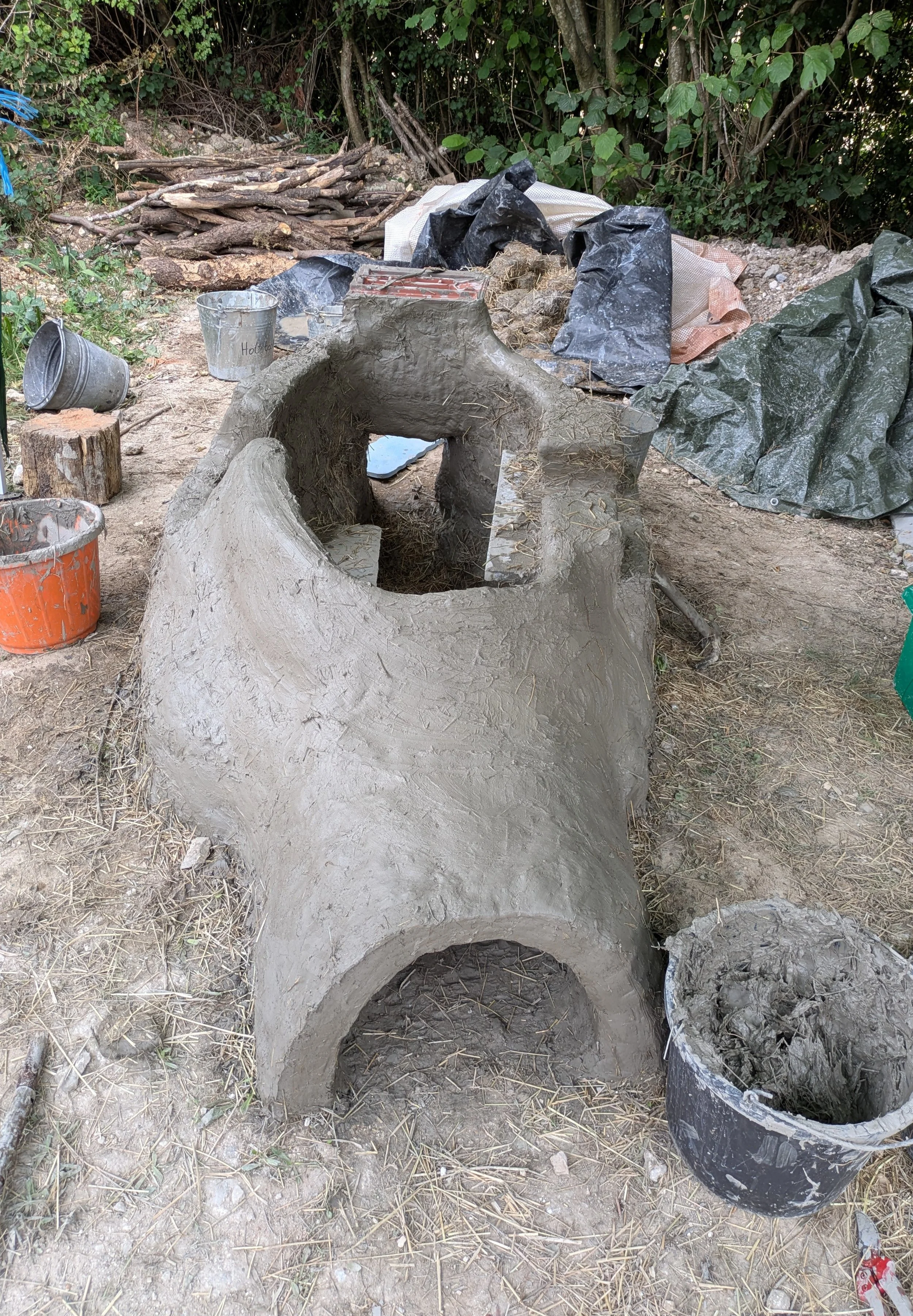
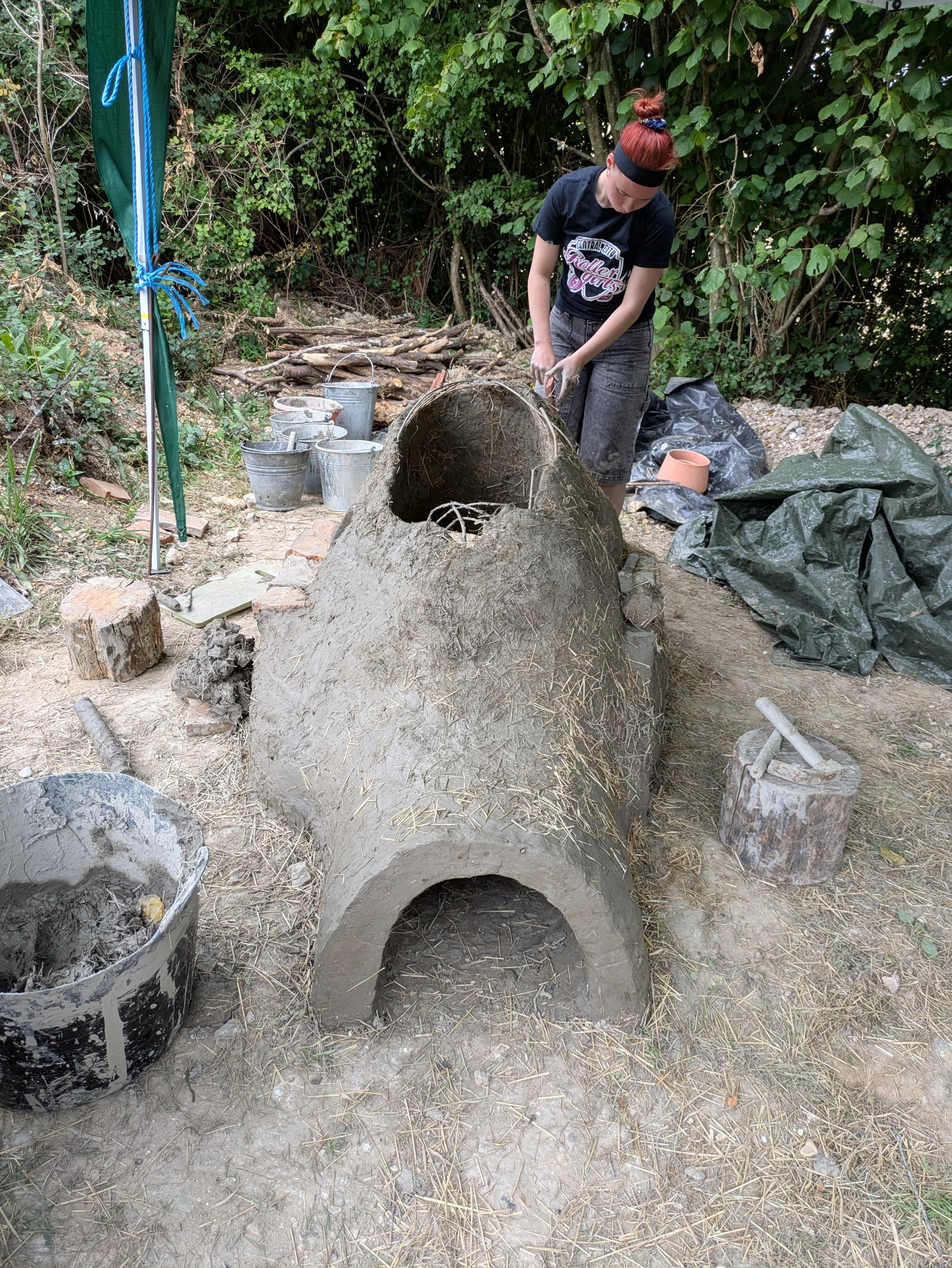
Step 7: Details, Details
Details such as working ports, warming holes, annealing ovens, thermocouple holes and chimneys can be added as you go or at the end and will depend on the purpose of the furnace.
We added the following to this furnace:
Working ports: One on either side, directly above the shelves, to allow access to the crucibles of molten glass in the fire chamber. The smaller port will be for gathering molten glass, and the larger one for reheating shaped window panes.
Warming holes: One next to each working port to pre-heat the tips of gathering irons/tools before they come into contact with the molten glass. We made one on the left of one port, and one on the right of the other to trial both options.
Annealing oven: To cool worked glass slowly, to relieve internal stresses and reduce the likelihood of it shattering further down the line. We are trialling an inbuilt design, with thick walls between the fire chamber and the annealing oven. This will hopefully allow some, but not all the heat from the fire chamber to reach the annealing oven.
Thermocouple holes: Several small holes just large enough to fit a thermocouple probe in to record internal temperatures of the furnace. We dotted these are different points across the furnace so we can monitor how the temperature changes across the structure during firing.
Chimney collar: To help draw air through to the top of the furnace.
All openings need doors that can be opened/closed as required. We have chosen to use a mixture of modern clay tiles, Roman CBM and daub collars/doors to do this.

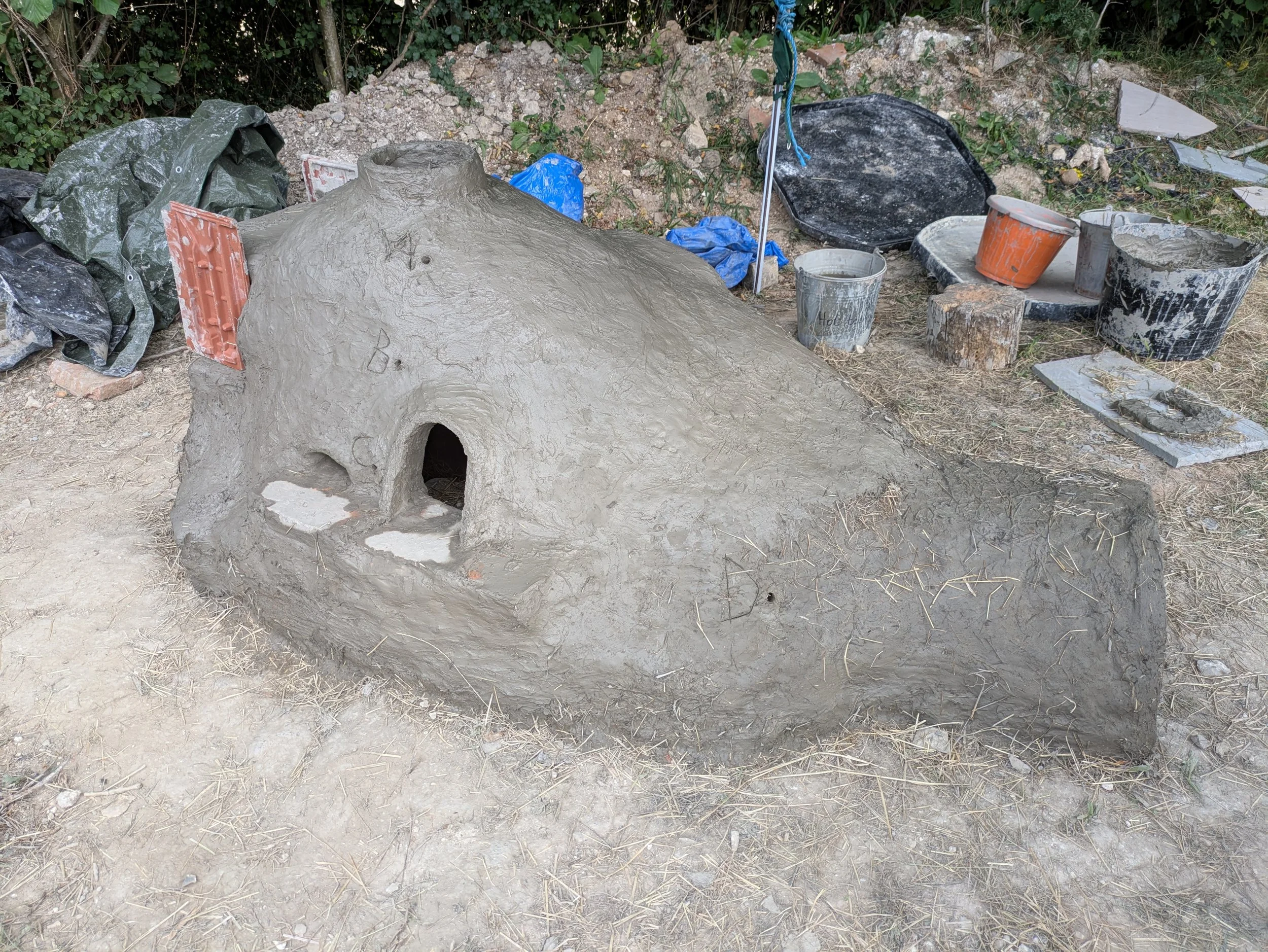

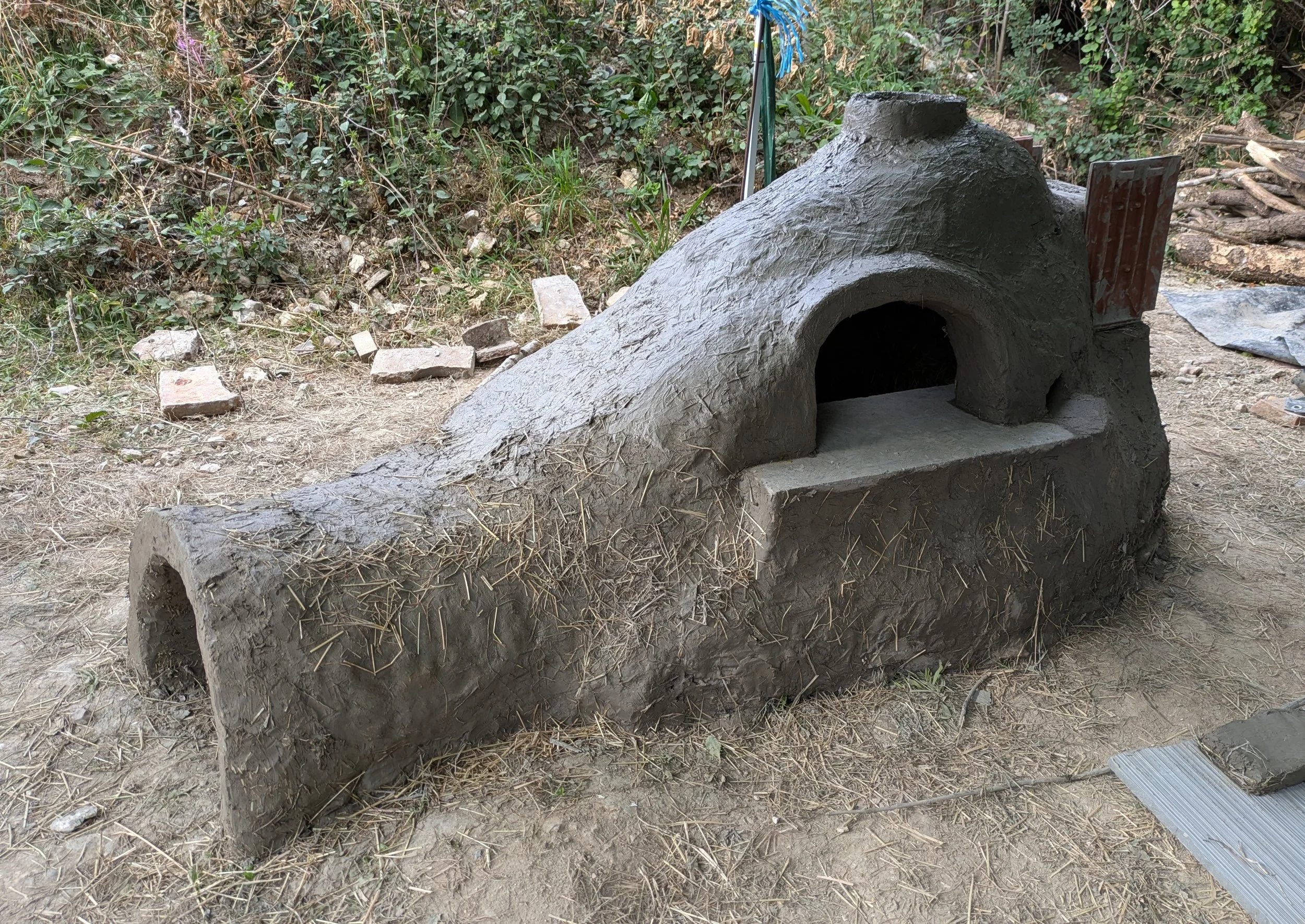
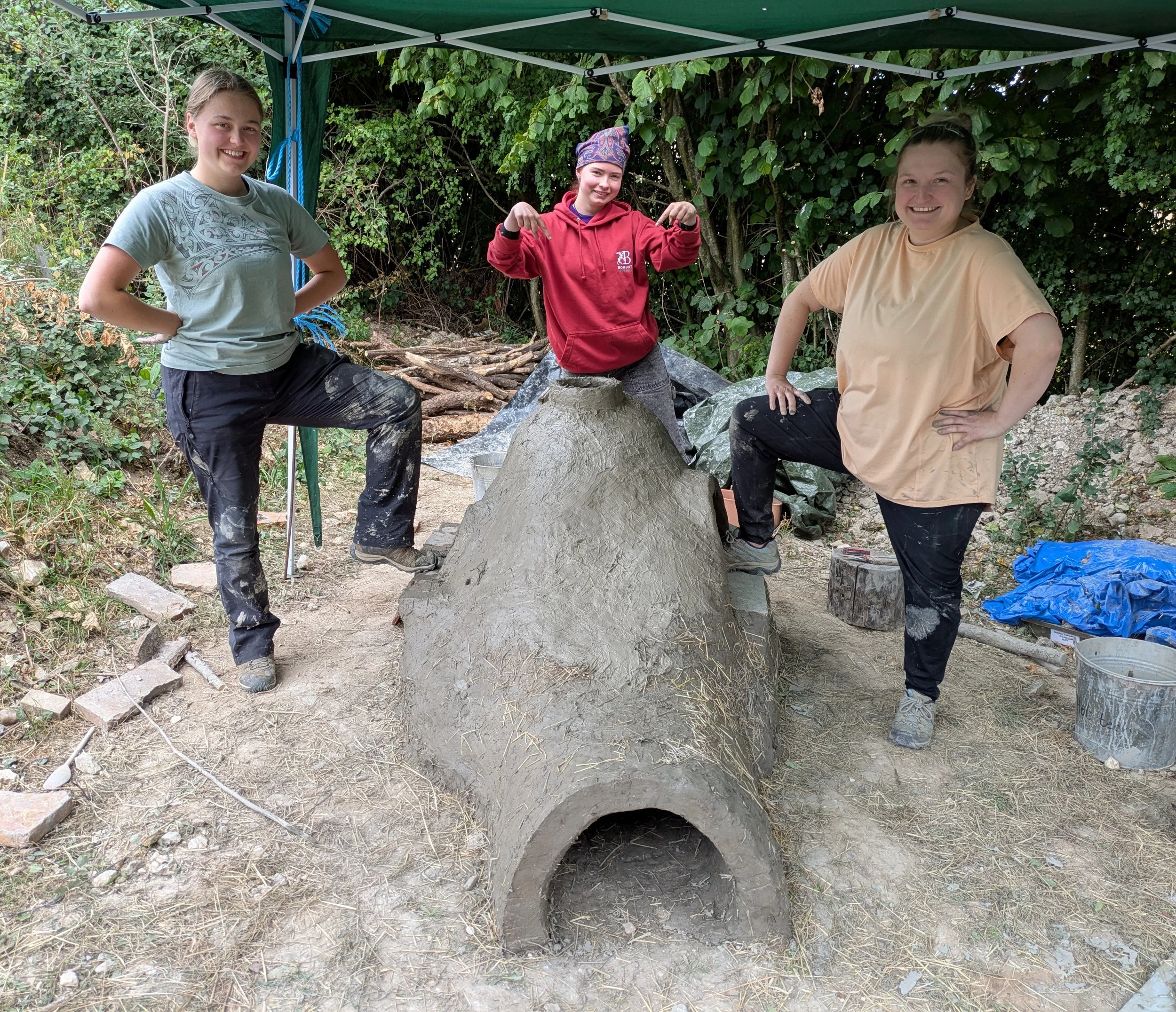
Step 8: Pose Proudly with your Creation!
Is that the end? Absolutely not! I’ll be back in the spring to fire up the furnace, so watch this space…
THE BIGGEST THANK YOU TO…
This furnace build was an incredible team effort! A huge thank you to the volunteers who got stuck in and without whom I could not have done this: Hannah, Pippa, Rob, Chloe, Jean, Jason, Meredith, Mary, Toby and Nicole.
The project was generously funded through grants from:
Northern Bridge Consortium/Arts and Humanities Research Council
Friends of Butser Ancient Farm, Alan & Marilyn Tatlow Bursary
Materials were kindly donated by:
Fishbourne Roman Palace & Gardens (unstratified Roman CBM)
JT Atkinson, Barnard Castle (broken stone slabs)
Tori Peart (Victorian bricks)


Blog archive
- May 2026 2
- April 2026 2
- March 2026 4
- February 2026 5
- January 2026 6
- December 2025 2
- November 2025 2
- September 2025 1
- April 2025 2
- February 2025 1
- January 2025 1
- November 2024 2
- August 2024 1
- July 2024 2
- May 2024 1
- November 2023 1
- October 2023 1
- September 2023 1
- August 2023 1
- July 2023 1
- June 2023 2
- May 2023 2
- March 2023 1
- February 2023 1
- December 2022 1
- October 2022 1
- August 2022 2
- April 2022 1
- March 2022 2
- February 2022 1
- January 2022 1
- December 2021 2
- November 2021 3
- October 2021 2
- September 2021 5
- August 2021 2
- July 2021 3
- June 2021 3
- May 2021 2
- April 2021 4
- March 2021 1
- November 2020 1
- October 2020 2
- August 2020 1
- March 2020 4
- February 2020 4
- January 2020 3
- December 2019 3
- November 2019 1
- October 2019 1
- September 2019 1
- August 2019 1
- July 2019 6
- June 2019 3
- April 2019 2
- March 2019 3
- February 2019 2
- January 2019 1
- November 2018 1
- October 2018 2
- September 2018 3
- August 2018 4
- July 2018 2
- June 2018 2
- May 2018 2
- March 2018 6
- February 2018 1
- October 2017 1
- September 2017 5
- August 2017 4
- July 2017 3
- June 2017 1
- May 2017 1
- April 2017 3
- March 2017 2
- February 2017 3
- January 2017 1
- December 2016 2
- November 2016 1
- September 2016 1
- August 2016 2
- July 2016 2
- June 2016 3
- May 2016 2
- April 2016 1
- March 2016 2
- February 2016 1
- January 2016 3
- December 2015 2
- November 2015 1
- October 2015 1
- September 2015 2
- August 2015 1
- July 2015 2
- June 2015 2
- May 2015 3