
What Was It Like to Sleep in a Roman Villa?
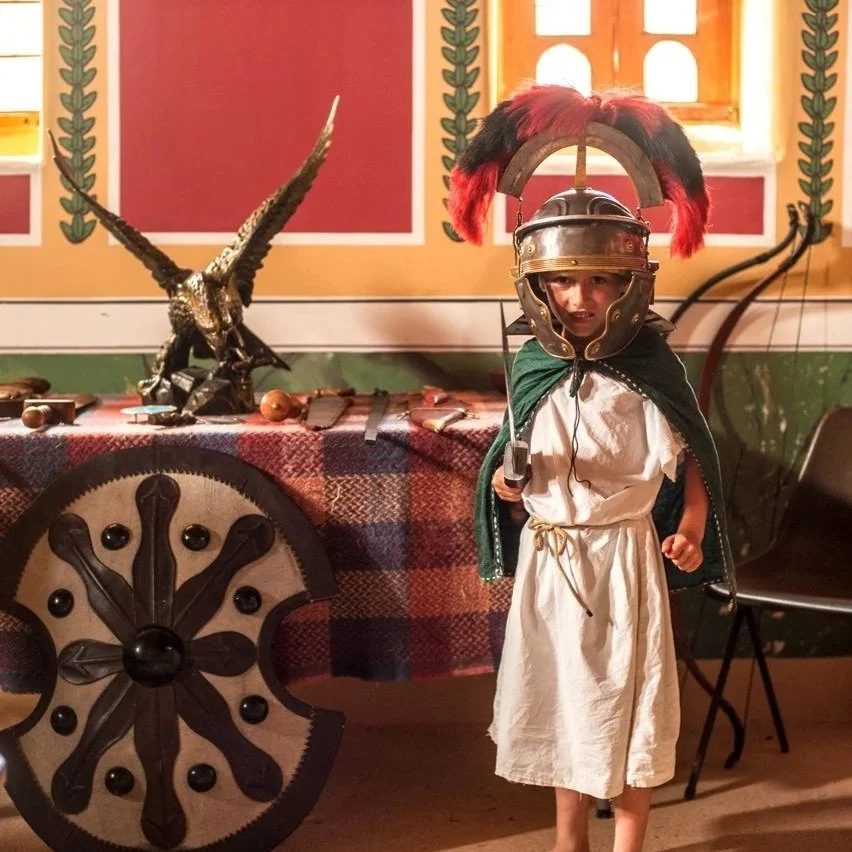
Salvete! In this wintery edition of our educational newsletter, we are exploring all things Romano-British. Did you hear about the new Roman villa they’ve unearthed in Wales? What was it like to have a Roman sleepover? And how do you recreate an ancient mosaic with modern hands? We’ll answer all these questions and more - plus there’s a FREE mosaic colouring sheet to entice the young artists in your charge. Alea iacta est!
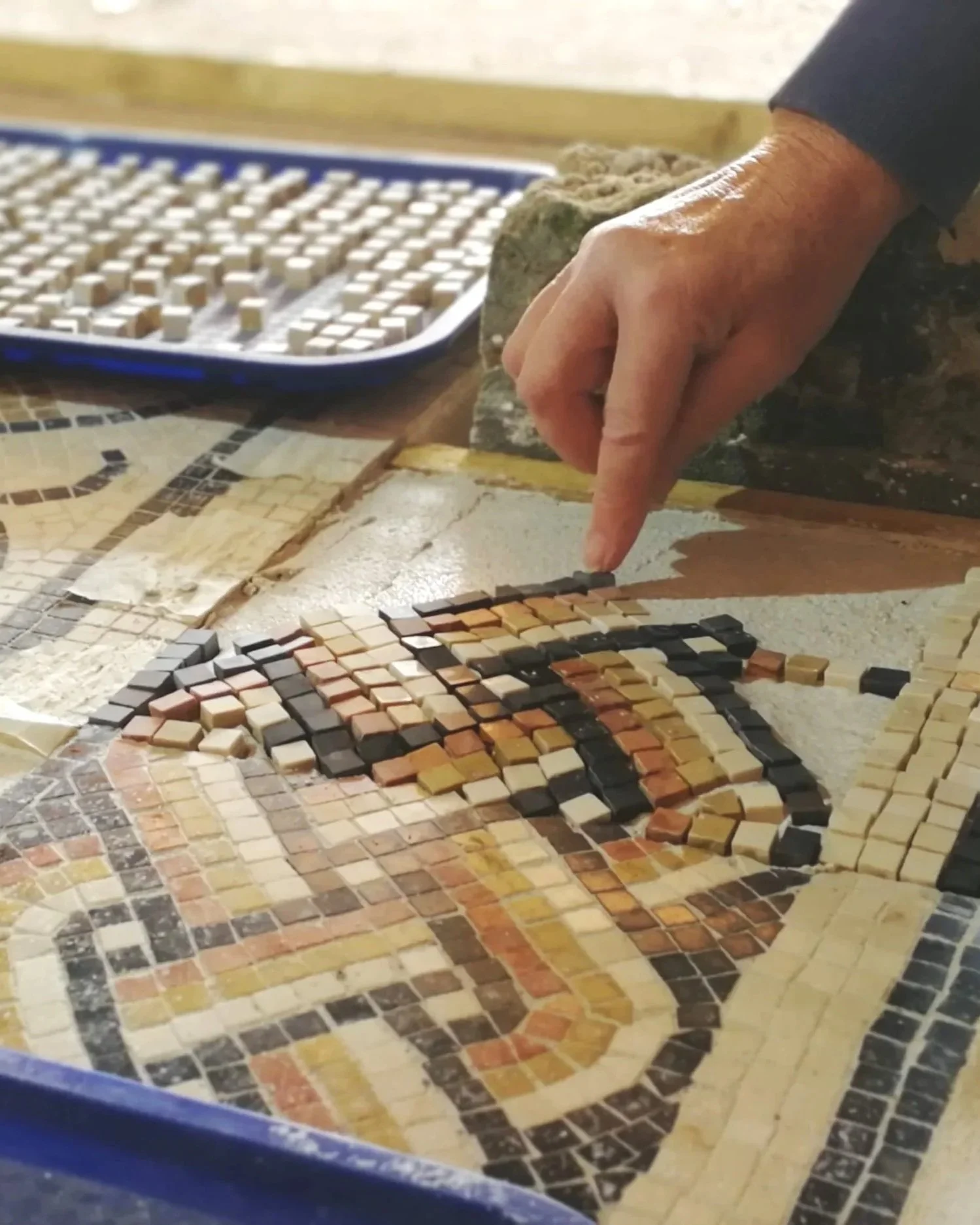
See a real mosaic taking shape!
Have you ever wondered what it takes to design and lay a real mosaic by hand? We have three complete mosaics across our Roman villa site - and another to come!
In May, we’ll welcome back Dr Will Wootton and his students from King’s College London, who will be using traditional tools to recreate another mosaic in the corridor of our Roman villa.
This will be a rare and unique opportunity to see a real mosaic being laid, so if you’re looking for a last-minute school trip in May - this is your sign!
The mosaic team will be in from 4th May onwards for around two weeks, so do get in touch at schools@butserancientfarm.co.uk if you’d like to book your class in for an extra special visit.
What was it like to sleep in a Roman villa?
Head over to the Butser villa on a hot, summer’s day and you might think you’re in the Mediterranean. With its bright walls and cool interior, complete with the scent of herbs and flowers from the Roman garden, it can feel like the perfect spot for a holiday.
But when night draws in and the temperature drops, is it as idyllic as it looks? Find out in our two-part video series available on YouTube, as staff member Candice experiences a night alone in the Roman Villa!
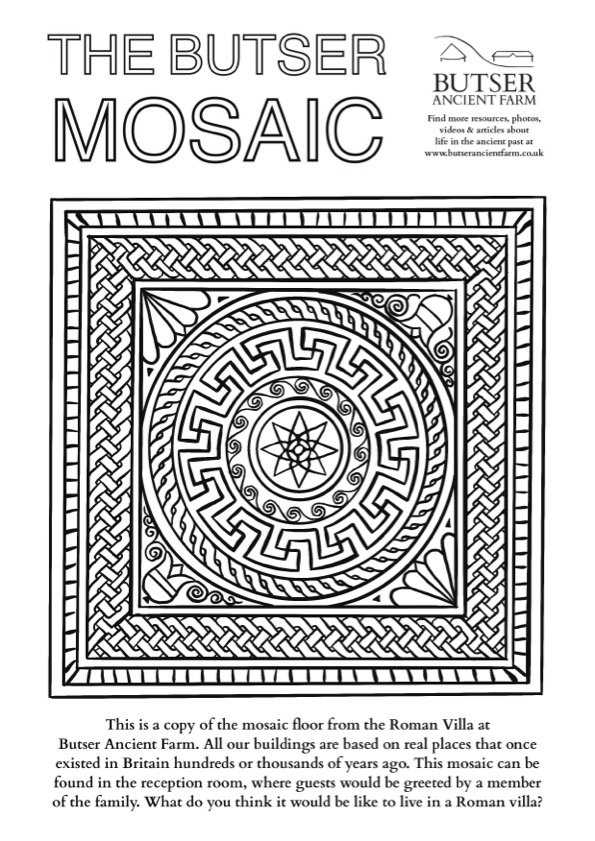
Free Mosaic Colouring Sheet
To celebrate the Romans this month, we’ve designed this colouring sheet based on the Sparsholt mosaic in our Roman villa. It is free to download, print and share for any educational, non-commercial purposes. Feel free to share your creations with us - we love to see them!
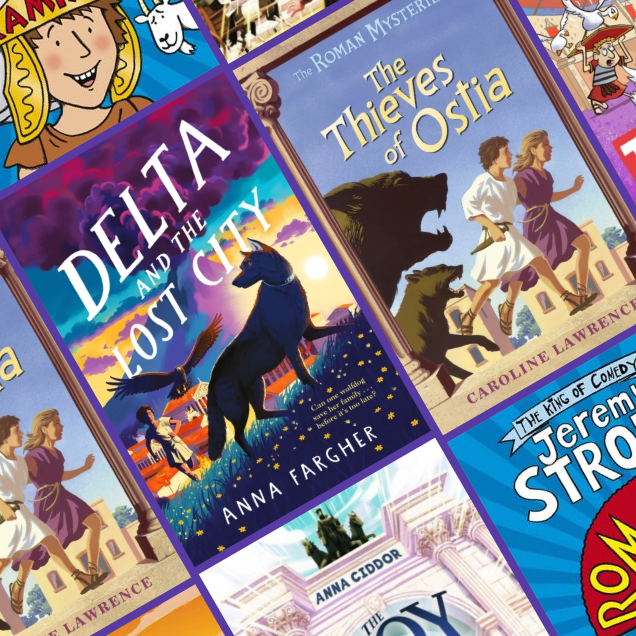
Top 10:
Roman Stories for Kids
We’ve put together a list of our favourite Roman stories for kids, from the streets of Pompeii to the gladiator ring.
Every purchase made from our Bookshop lists supports our work at the farm, so thank you!
In the news this week:
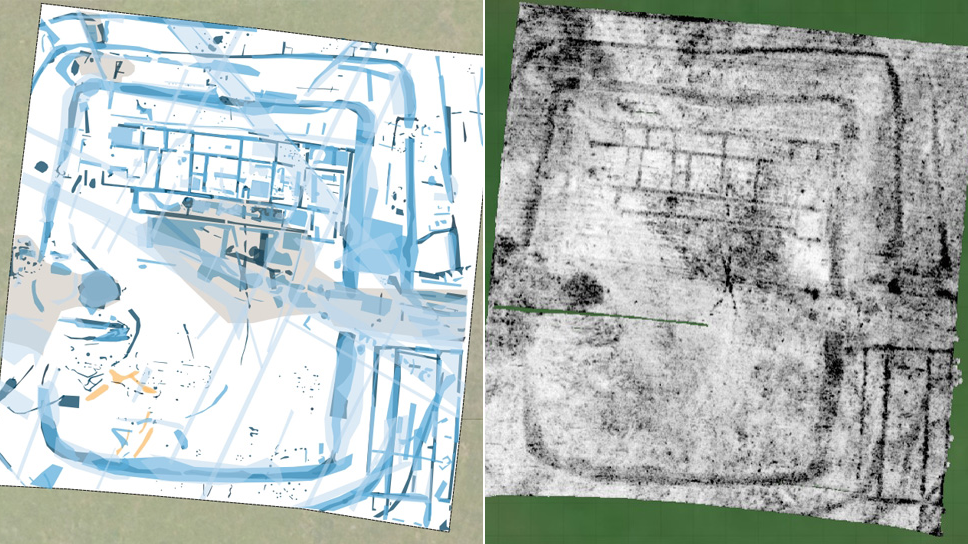
Largest ever Roman villa found in Wales
Archaeologists have unearthed the largest Roman villa ever found in Wales. It was discovered beneath a historical deer park, which means the land has never been ploughed or built on, so the villa remains are really well preserved.
This is a great way to talk to children about the process of archaeology and how we can use evidence to try and work out how people lived in the past. Here are some example questions and activities you could use to engage with the young minds in your classroom:
1. Archaeologists believe this could be a ‘grand estate’ where wealthy Romans might have lived. What sort of lifestyle do you think a wealthy Roman might have enjoyed? Would they have had plumbing and hot water, central heating, exotic food and drink, servants and luxury clothes?
2. Using the floorplan laid out by the archaeologists, could you guess which room was which? Where would the kitchen and bedrooms be? Would the house be facing towards or away from the sun?
3. Write a story about one of the children that might have lived here. What would they eat for breakfast? Who were their friends? What would they do when they were bored?
Tag us in your visit!
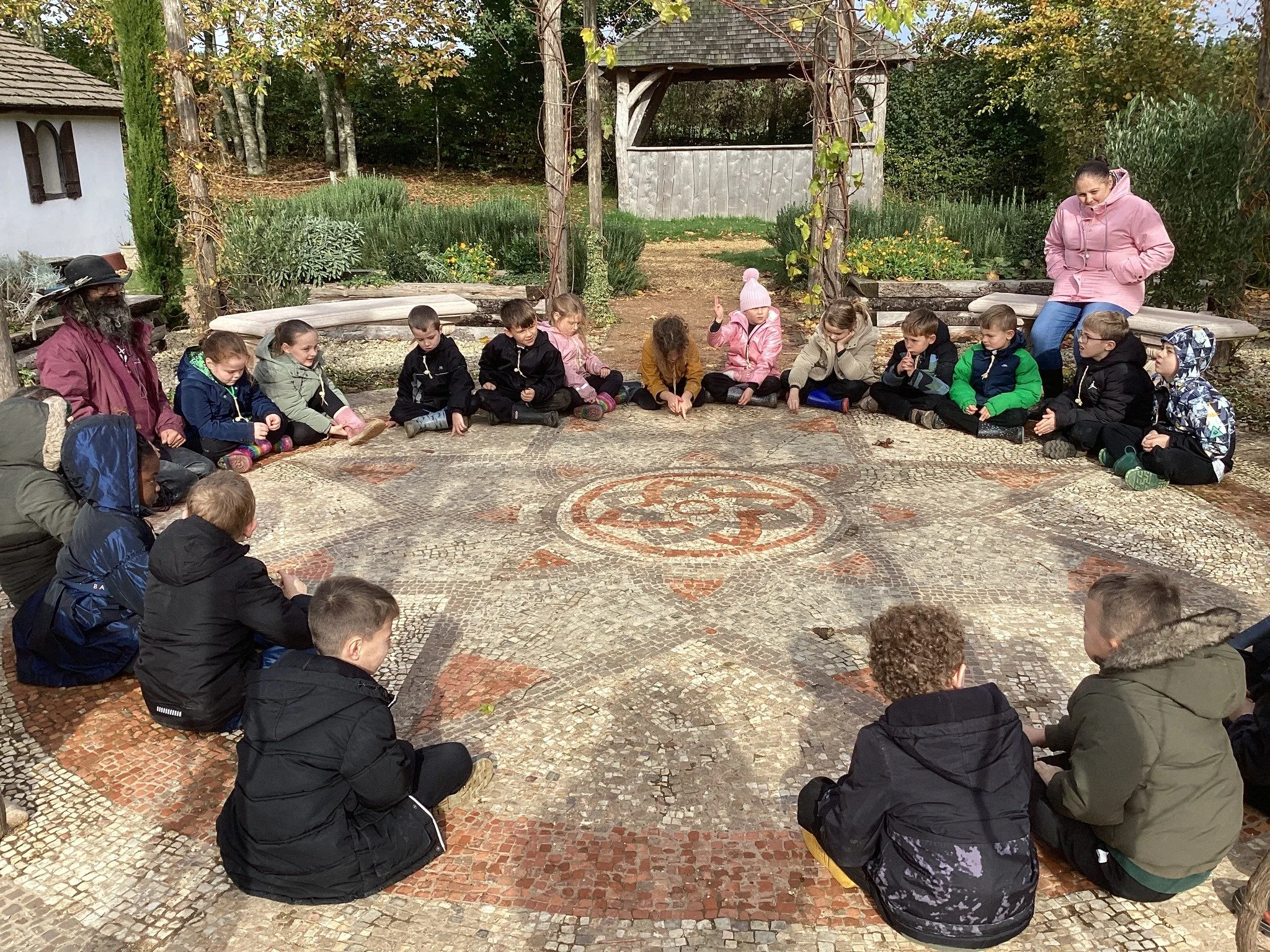
Thanks to Thornhill Primary School for tagging us in their recent visit! Year 3 had a great time with our team member Adrian to bring an end to their Stone Age topic - making jewellery, carving chalk, examining artefacts, and even squeezing in a quick visit to the Roman garden to see our newest mosaic up close!