How to Weave a Rope Trivet
There is something deeply gratifying about using an object that you have made yourself, because that object becomes more valuable to you. But when was the last time you truly took the time to slow down, unwind and create something for yourself? This week on the Butser blog, our intern Natasha takes us through the mindful art of weaving rope trivets - just in time for our rope trivet workshop in March!
A Brief History of Rope Making
Long before machines and mass production existed, rope was made by braiding or twisting rope-like vegetable fibre or animal hair. In prehistoric times, it was essential for fishing, as well as gathering and capturing animals. Later, the Ancient Egyptians developed rope making tools, since rope was essential for moving heavy building materials.
In western Europe, from the thirteenth century onwards, rope was made in factories called ropewalks - long buildings where fibres were laid down and twisted together to make one rope. At the time everything was operated by hand, although that changed after the industrial revolution. Over the centuries, rope making techniques have continued to change, but the importance of rope itself has never diminished. It remains deeply essential even today, particularly in the nautical world, in construction, and even in everyday life.
Today, traditional rope making is considered an endangered heritage craft. Thanks to Sue Pennison - a traditional rope maker, yacht rigger and Chair of the Trustees of the International Guild of Knot Tyers - visitors to Butser can take part in one of our Woven Rope Trivet Making workshops this March, to help keep the knowledge alive through hands-on practice.
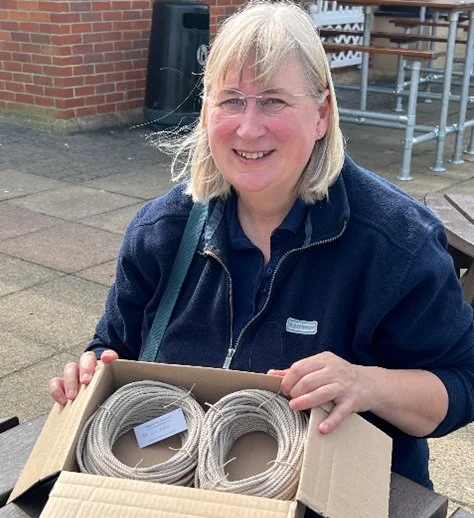
An Introduction to Sue Pennison
Sue Pennison is a lifelong sailor, sailing on the Norfolk Broads as a child and learning a wide variety of knots during her lifetime. Dissatisfied with the range of cord she could buy, however, she decided to buy a rope maker and start making her own! In her eyes:
‘Rope making and knot tying has been an intrinsic part of human life for thousands of years. Under guidance, the elegant simplicity of the process allows people of all ages to get ‘hands on’ and make quality rope and cord. Then there is the joy of turning it into something practical and beautiful.’
About the Workshop
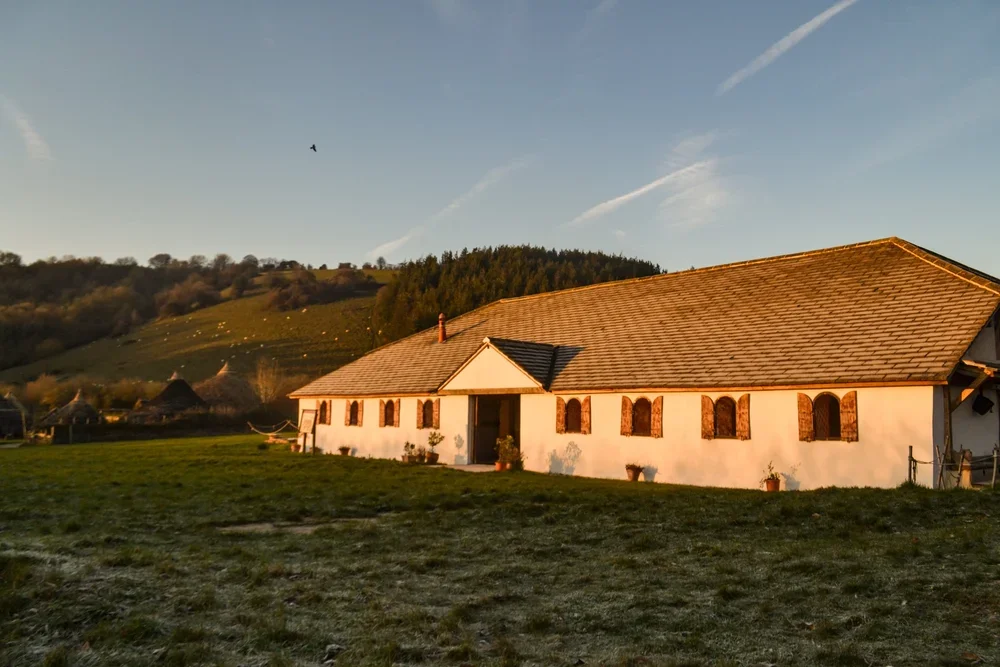
The workshop will take place on 22 March 2026 in our Roman Villa. You’ll not only be stepping into the past by learning a traditional craft, but by experiencing it within the walls of our Roman building - immersing yourself in what it would have been like to live in the past.
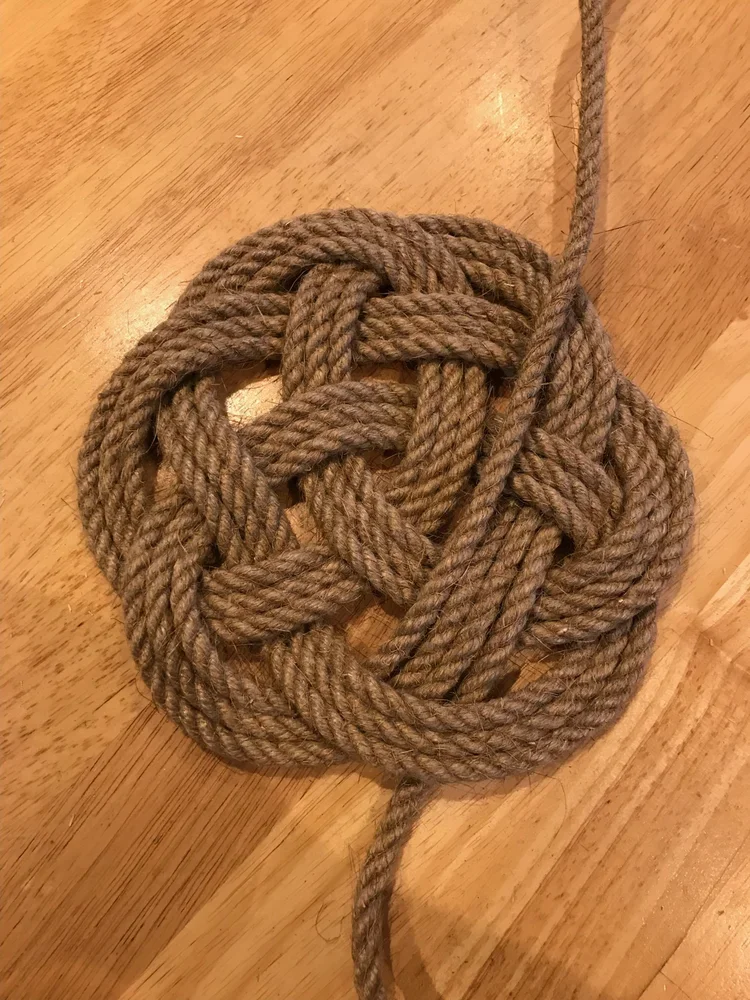
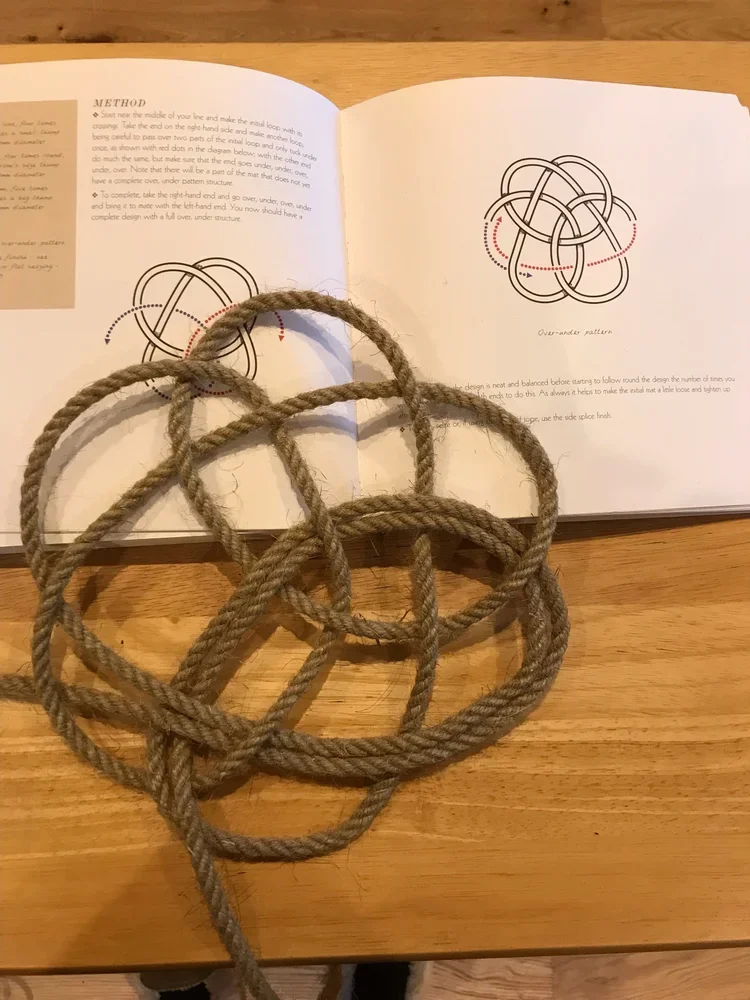
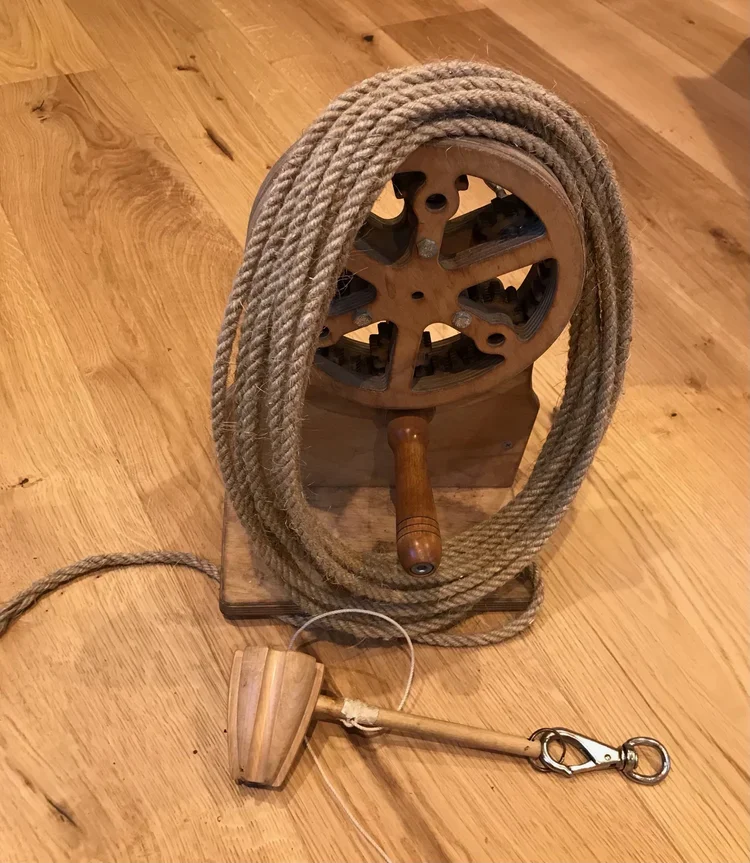
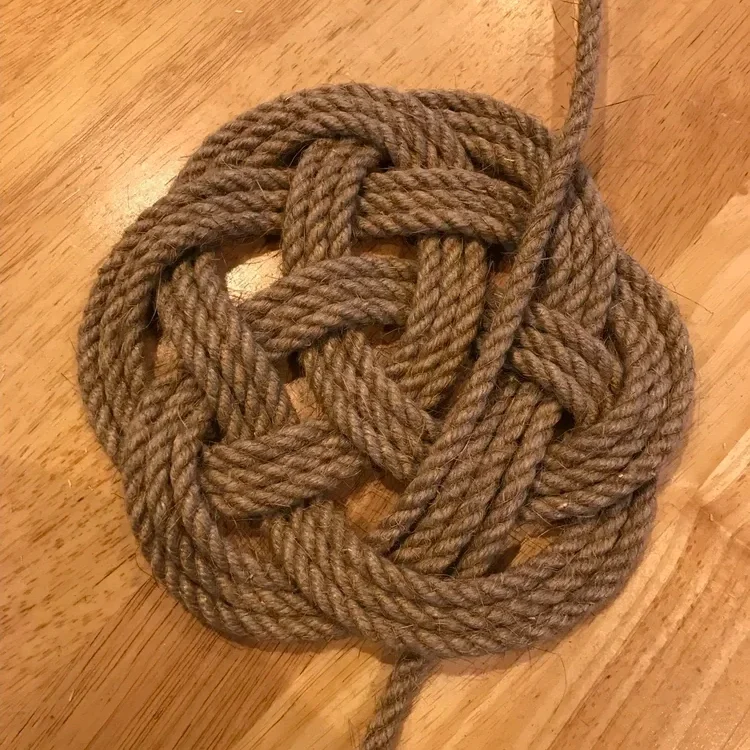
During the workshop, you will be able to make your own natural hemp rope using a hand-powered mechanism, as well as creating a traditional heatproof rope trivet with the rope you will have crafted!
This female-led session will be relaxed and welcoming for all participants, regardless of prior knowledge or experience. At the end of the workshop, you will leave with a finished piece that’s both functional and satisfying to use in your own home.
There are two sessions available:
The morning session from 10am - 12.30pm
The afternoon session from 1pm - 3.30pm
Ready to try your hand at a heritage craft? Click here to learn more or sign yourself up to the workshop.
WOVEN ROPE TRIVET WORKSHOP
with heritage ropemaker Sue Pennison
Saturday 22 March 2026
Half-Day Workshop: 10am - 12.30pm OR 1pm - 3.30pm
Create a traditional rope mat made with a natural hemp rope (formed by participants during the session). Approx 20cm diameter. Heatproof for domestic purposes.
Relaxing & welcoming, female-led & beginner-friendly, small group size.
Set in the unique surroundings of a recreated Roman Villa!