How to Raise a Legion of Young Readers
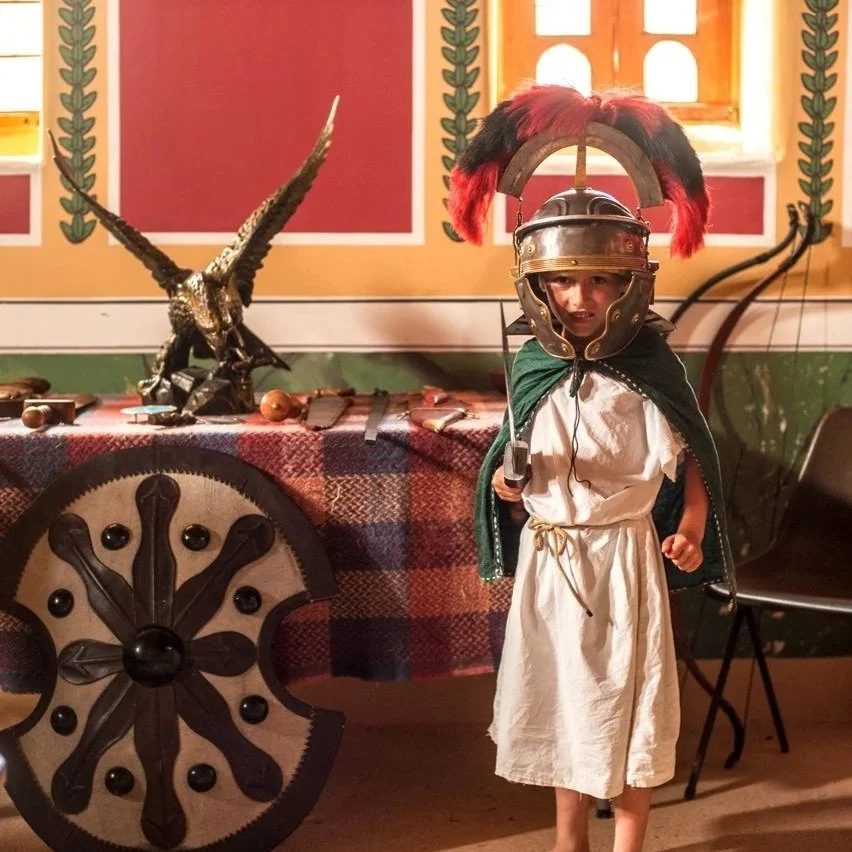
In anticipation of World Book Day this week, we’re celebrating all things literary! Bestselling children’s author Caroline Lawrence shares her ideas on how to get kids reading, and we share a few ancient costume ideas for inspiration. We’re also exploring the art of making ink from oak trees, and talking about a fascinating archaeological discovery that may change everything we know about the earliest writing.
How to Get Kids Reading (Willingly)
How can we engage young minds with books and storytelling in the age of digital distraction?
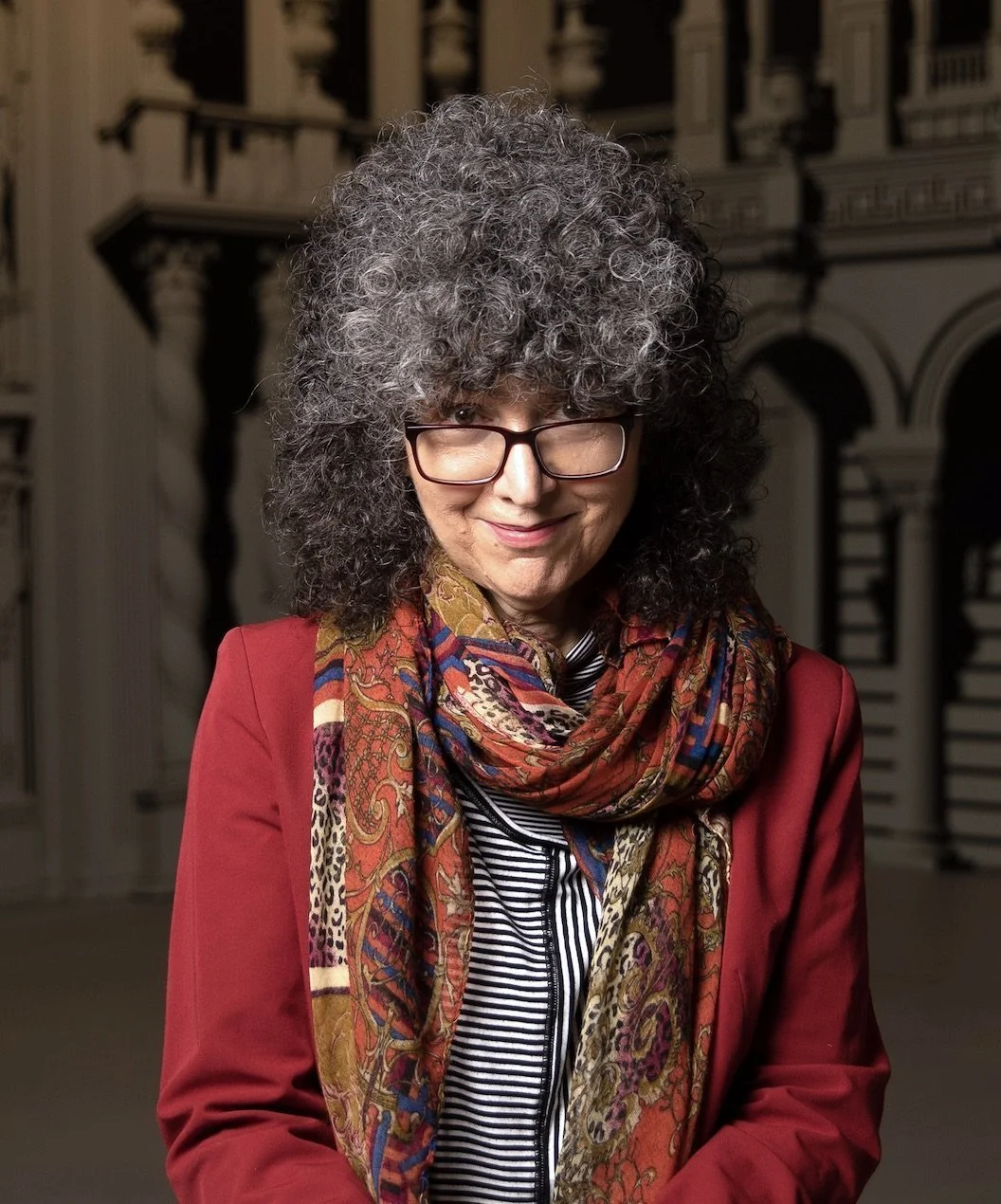
This month on the Butser blog, we sat down with one of our favourite children’s writers Caroline Lawrence - author of the bestselling Roman Mysteries series - to talk about how we can inspire children to spend more time reading.
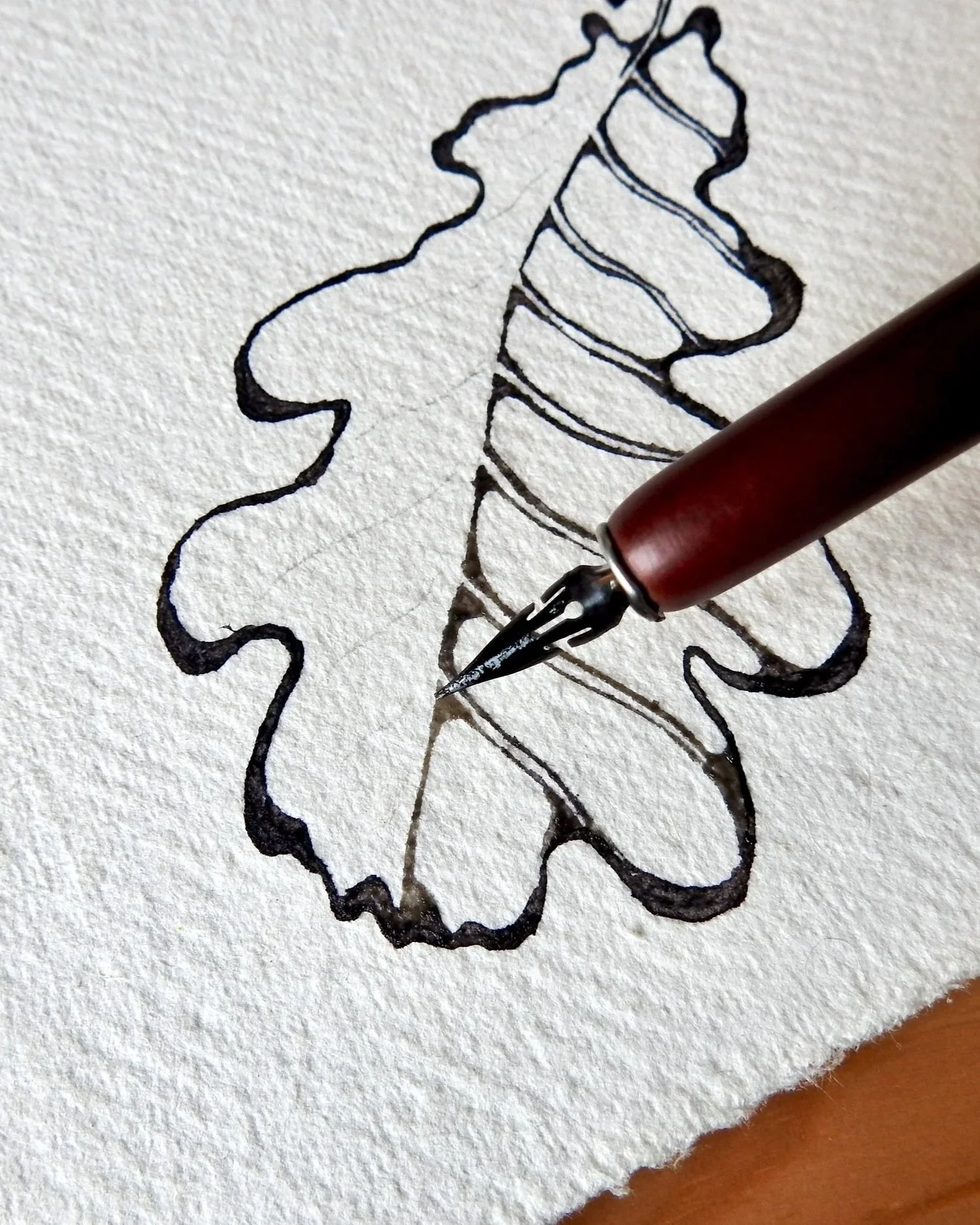
How to Make Anglo-Saxon Ink
What do you get when you cross a parasitic wasp, an oak tree and a water reed? Find out in our latest video on YouTube, as two members of the Butser team have a go at making ink in the style of the Anglo-Saxons!
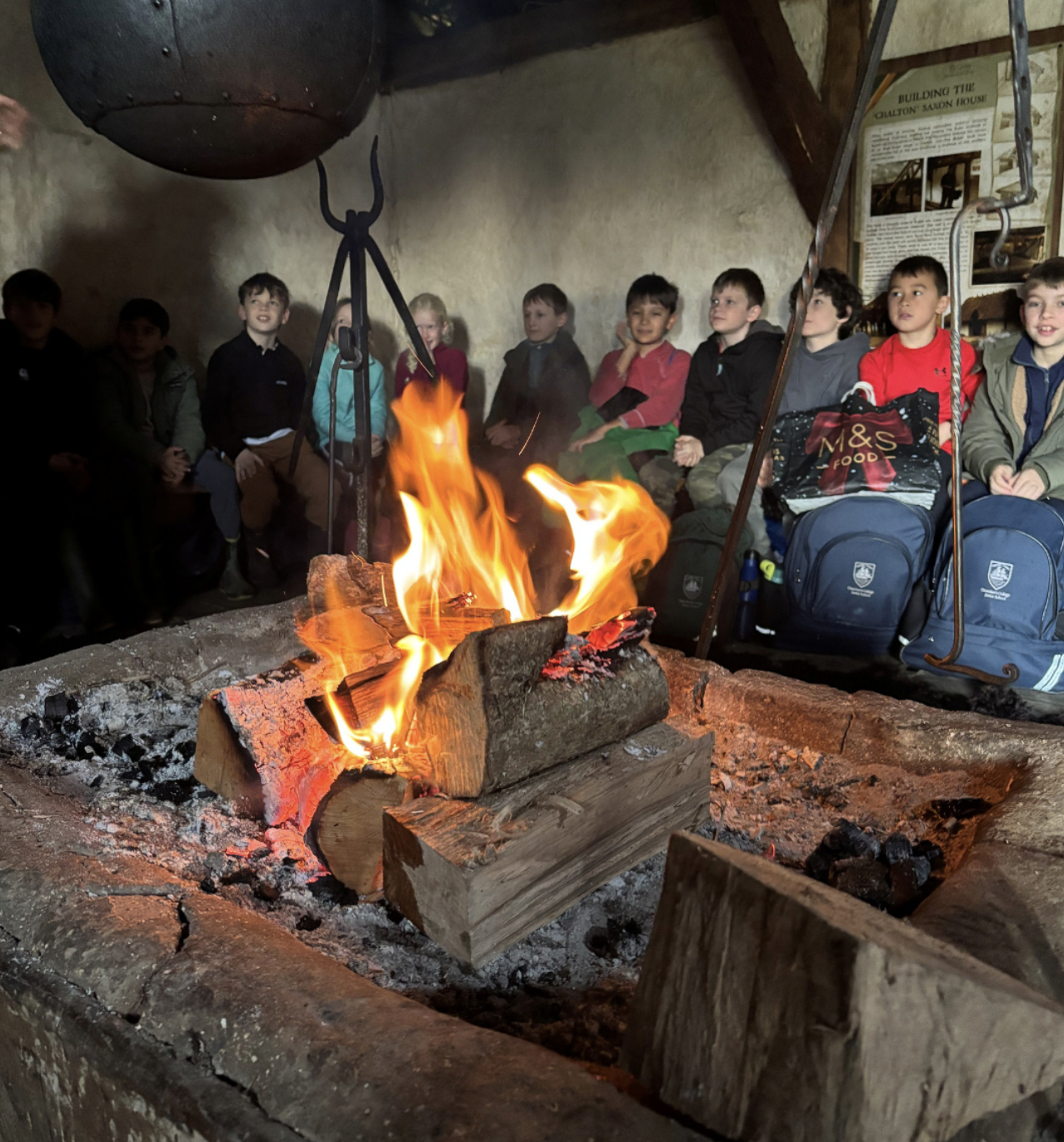
Tag Us in Your Visit!
Thanks to Churcher’s College Junior School for tagging us in their recent visit! Year 4 had a great multi-sensory day learning about the Anglo-Saxons, making their own jewellery, wattling fences and hearing stories around the fire in our Saxon longhall.
In the news this week:
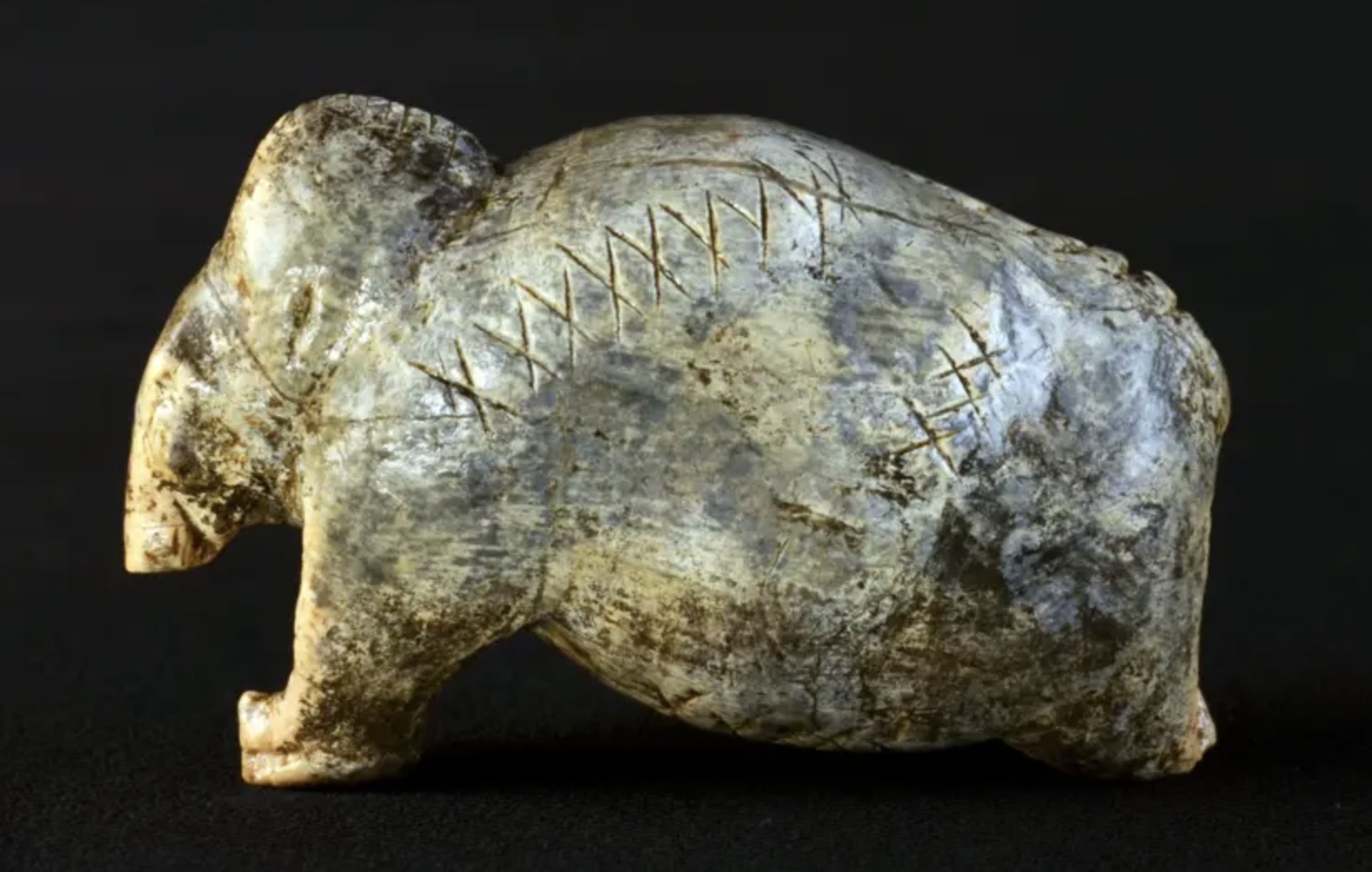
Writing Marks Found on Mammoth Tusks
Until now, historians thought the first written words were formed in ancient Mesopotamia around 5,000 years ago. But a 45,000-year-old mammoth tusk has been found in a cave in Germany, covered with lines, notches, dots and crosses scratched into the surface. Researchers now believe these marks might be the earliest form of writing - although their precise meaning still remains a mystery.
This is a great way to talk to children about the power of writing to document our lives and experiences. Here are some example questions and activities you could use to engage with the young minds in your classroom:
1. Living in the late Stone Age would have been hard, but people still found time to draw and write. Why do you think creating art has always been so important alongside basic survival skills?
2. What sort of thing do you think Stone Age people may have been writing about? What were their daily experiences? What did they like to do, and what did they fear?
3. Write a first-person diary entry from the perspective of somebody living in this German cave in the Stone Age. Will you include an exciting, possibly life-threatening event? Or did they share the same everyday habits and routines as us?